

AI reverse image safety search
Every day, millions of people turn to Google Images with a simple question: Who is this person? Maybe it’s a potential buyer from Facebook Marketplace who wants to meet in a parking lot. Perhaps it’s a match from Bumble whose profile feels too polished. Or it could be the face captured on a doorbell camera at 2 AM. The intent is always the same—verify identity before something goes wrong.
Here’s the problem: Google Image Search was built to find visually similar photos across the open web, not to tell you whether the person you’re about to meet has a criminal record. When safety is the point, general-purpose tools frequently come up empty. That stranger’s face might return results for stock photos, random social media accounts, or nothing at all. And “nothing” isn’t the same as “safe.”
SafetyCamAI.com was built specifically for identity risk detection. It’s not a casual browsing tool or a way to find higher-resolution versions of memes. It’s a reverse mugshot search engine designed to surface hidden risks before they become real-world dangers. For parents checking on a new babysitter, HR managers screening applicants, or anyone selling electronics to a stranger, SafetyCamAI.com is rapidly becoming the modern alternative—the “new Google Image Search” for people who put safety-focused image search first.
The turning point came in August 2023. Founder Yan Auerbach experienced an armed robbery during what should have been a routine computer sale. He had a crystal-clear photo of the suspect. He tried Google Image Search and other mainstream tools. Nothing worked. That frustration became the mission: build something that actually helps when safety is on the line.
In this article, you’ll learn exactly what SafetyCamAI.com does, how its technology works, who benefits most from it, and why it outperforms generic reverse image tools when the stakes are real.

In August 2023, Yan Auerbach arranged to sell a computer through an online marketplace listing. It was the kind of transaction that happens millions of times every week—a buyer responds to an ad, a meeting time is set, and two strangers meet to exchange goods for cash. Except this time, the buyer drew a weapon.
The robbery ended with Auerbach losing the computer and facing a moment that would change his life. But he had something most victims don’t: a high-resolution photo of the suspect, captured clearly before everything went wrong.
Auerbach did what most people would do. He uploaded the image to Google Image Search. He tried TinEye. He searched through every consumer-friendly tool he could find. The results? Nothing useful. There was no fast, accessible way for an ordinary person to match that face against mugshots, arrest records, or any kind of public safety data. The technology that could catch a meme thief couldn’t help identify an armed robber.
That frustration became the foundation of SafetyCamAI.com—a dedicated platform for reverse image mugshot lookup that individuals, HR teams, and communities can use to make informed decisions before meeting strangers. This isn’t an abstract startup story born in a boardroom. It started with a gun pointed at someone’s chest and the realization that existing tools had failed.
“This business is personal.”
The goal was simple: prevent other families from experiencing that same powerless feeling, even when they have evidence in hand.
Google Image Search remains excellent at what it was designed for—finding visually similar photos across the open web. If you want to source a product image, track down a photographer’s portfolio, or discover where a viral photo originated, it’s still the go-to tool. But when you need to know whether the person behind that photo poses a risk, general web images won’t help.
SafetyCamAI.com is optimized for a fundamentally different job: identifying possible matches to real people in safety-relevant datasets. Instead of crawling the web for lookalike photos, it uses AI-powered face search oriented around mugshots, arrest records, and publicly available risk indicators.
Consider the difference in practice:
General search (Google Images): You upload a face. You get results showing similar-looking people across websites, social profiles, and stock photo libraries. You learn nothing about criminal history or identity fraud.
Safety search (SafetyCamAI.com): You upload a face. The system scans against mugshot and criminal record–related datasets. You receive potential matches with context that helps you assess risk in seconds.
The use cases where SafetyCamAI.com outshines traditional image search are specific and high-stakes:
Vetting a stranger before a Craigslist or Facebook Marketplace meetup
Screening a potential roommate before signing a lease
Double-checking a date from Tinder, Hinge, or Bumble
Investigating a suspicious visitor captured on a doorbell camera
Reviewing an applicant whose story doesn’t quite add up
The platform is built for people who need to make a yes/no safety decision quickly—parents, landlords, HR managers, small business owners, and solo sellers meeting strangers. It’s not for browsing celebrity photos or finding meme origins. It’s for the moments when getting it wrong could change your life.
The core workflow is straightforward. You upload a face photo from your phone or computer. The system scans that image against millions of records in its database. Within seconds, you receive potential matches—faces that appear similar, along with any associated public records or risk indicators.
SafetyCamAI.com and its Android app, “SafetyCamAI – Reverse Mugshot” (available on Google Play), rely on facial recognition and reverse image search technology optimized for mugshot and criminal record–related datasets. Unlike general search engines that index the open web, this platform focuses specifically on data sources relevant to identity verification and safety screening.
The AI engine works by measuring facial similarity across uploaded images and indexed records. It surfaces possible matches and associates them with publicly available information. The technology is tuned for 2023-2025 manipulation techniques, including detection capabilities for AI-generated or edited images that might evade traditional matching algorithms. While the proprietary details remain under the hood, the result is a system designed to catch what Google and TinEye often miss.
Key trust and security features include encrypted uploads and results, a commitment that images are never sold or shared, and a focus on privacy rather than advertising. Your search data stays protected. The response you receive is designed to be fast and scannable—a landlord or hiring manager can quickly decide if deeper due diligence is needed.
It’s worth emphasizing that results represent a risk signal, not a legal judgment. The platform helps you notice patterns and potential concerns. Final verification—through formal background checks, in-person interviews, or community reports—remains your responsibility.
The process flows in a logical sequence. First, you choose or take a photo of the subject you want to search. This could be a screenshot from a conversation, a doorbell camera still, or a profile picture saved from a dating app. Second, you upload that image securely through the web interface or mobile app. Third, you confirm the face area so the AI knows exactly which face to analyze. Fourth, you launch the search and wait briefly while the system processes. Fifth, you review the match candidates that appear, each with associated data when available. Sixth, you decide your next steps based on what you’ve found.
Consider a hiring manager in January 2026 who uploads a candidate’s LinkedIn headshot before a final interview. If the system surfaces a match to undisclosed criminal history, that’s a signal to ask questions or escalate review—not to reject outright, but to gather more knowledge. Or imagine a parent in a residential community uploading a photo of someone who has been frequently loitering near the building entrance. A match might confirm suspicions; a clean result might offer peace of mind.
Results typically appear in a few seconds, depending on network speed. This is designed for use right before or during a meeting—not days later when it’s too late. The whole point is enabling real-time safety decisions.
Responsible use matters here. Treat output as a risk signal for further verification. A match doesn’t mean guilt. An absence of matches doesn’t guarantee safety. But better data leads to better decisions.
For years, people have relied on Google Images as a gut-check tool. Someone seems suspicious? Upload their photo and see what comes back. The problem is that gut-check often returns nothing actionable—just random websites, similar-looking strangers, or empty results that leave you guessing.
SafetyCamAI.com offers a focused alternative for serious safety questions. Here’s where the contrast matters most:
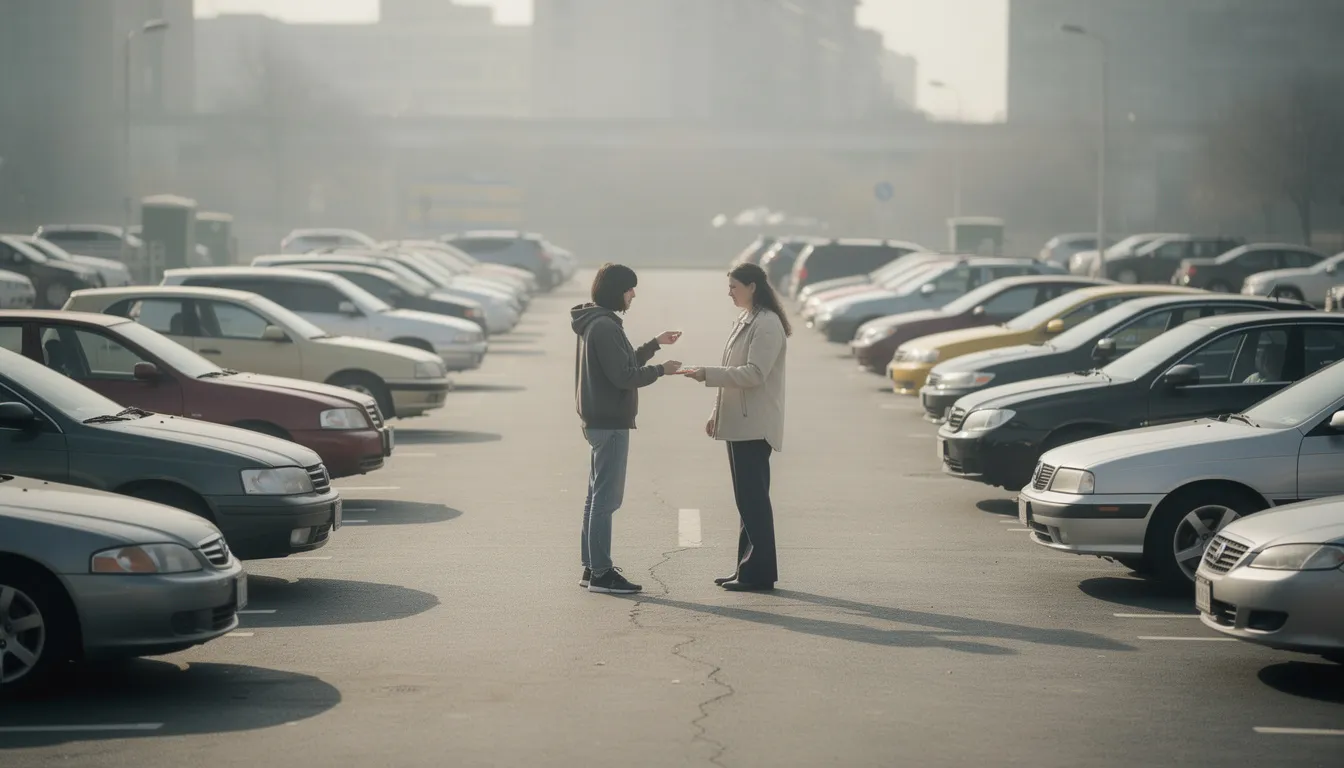
Marketplace transactions: You’re selling a laptop via OfferUp or Facebook Marketplace in 2024. The buyer wants to meet in a parking lot. Old way: Google their profile photo, get inconclusive results, hope for the best. New way: Upload to SafetyCamAI.com, check for mugshot matches, and make an informed call before you leave home.
Online dating: Your Tinder or Bumble match seems great, but something feels off. Old way: Reverse image search and find their photo on multiple accounts, still unsure what’s real. New way: SafetyCamAI.com checks against criminal databases, flagging concerns that a generic search would miss.
Landlords and property managers: A rental applicant has great references but limited verifiable history. Old way: Run a standard credit check and call it done. New way: Upload their photo alongside the formal screening to catch discrepancies between their stated identity and public records.
Parents checking service providers: A tutor or ride-share driver interacts with your children. Old way: Listen to recommendations, trust reviews, watch for obvious red flags. New way: A quick mugshot lookup adds another layer before you accept someone into your family’s life.
HR teams and staffing agencies: A candidate’s resume looks perfect, maybe too perfect. Old way: Run a traditional background check tied to their provided name. New way: Upload their headshot to verify identity across visual records, catching alias usage or fraud that name-based checks miss.
One user shared their experience after a marketplace close call. They uploaded a buyer’s photo before a scheduled meetup for an electronics sale. SafetyCamAI.com surfaced a match to an arrest record for theft. The user canceled the meeting and avoided what could have been a repeat of the scenario that sparked this company’s creation. That’s the goal: risk awareness before action, not vigilante justice afterward.
Starting in 2024-2025, organizations began integrating SafetyCamAI’s Reverse Image Mugshot Lookup into pre-employment screening workflows. The focus is on cases where traditional background checks might fall short—identity fraud, alias usage, or situations where a candidate has partially disclosed their history.
HR professionals can upload a candidate photo at the same time they run standard checks. If the facial recognition surfaces a match to records under a different name, that’s a compliance signal worth investigating. The platform can generate auditable risk reports, providing documented rationale for further review or escalation—particularly valuable in regulated industries where due diligence must be defensible.
Teams can start with a limited number of free searches per week. The current offering includes 5 searches per week with no credit card required, allowing organizations to test the platform before committing to a subscription tier.
The intent is workforce safety and fraud prevention. When someone submits a resume, you want to verify that the person behind it is who they claim to be. Traditional background checks rely on the name and data a candidate provides. Visual verification adds a layer that catches what words alone cannot.
The argument for SafetyCamAI.com ultimately comes down to trust. This platform is designed around protecting people in two-sided marketplaces—buyers and sellers, landlords and tenants, employers and candidates, daters and matches. Traditional search engines are designed around ad revenue and broad content discovery. Their goals are fundamentally different.
When you use Google to search a stranger’s face, you’re hoping the algorithm happens to surface something relevant. But generic search engines rarely present structured safety information from mugshot-like sources in a way ordinary users can interpret. The data might exist somewhere on the web, buried in a county records site or behind a paywall. You’ll never find it through a standard image search.
SafetyCamAI.com places that risk context at the center of the experience. It helps safer communities close the gap between what people feel when meeting a stranger and what they can actually verify. That vague unease becomes concrete, checkable signals.
There’s also a communication dimension worth acknowledging. Once someone has verified that a counterpart isn’t associated with obvious danger signals, it becomes easier to build rapport in person or in business. You’re not walking into a meeting with lingering doubt. You’re starting a conversation with greater confidence. That’s the philosophy behind SafetyCamAI’s broader mission: smarter security that supports connection, not paranoia.
The way risk information is framed matters as much as the data itself. SafetyCamAI.com’s interface is designed to empower, not panic. Results are presented as signals requiring further consideration, not verdicts demanding immediate response.
This connects to a broader awareness about language and decision-making. When you have better information, you can make better choices without attacking or accusing anyone. You can choose a different buyer, a different date, or a different hire simply because something didn’t feel correct—and now you have data to support that instinct.
The phrase “words create worlds” applies to product design too. A platform that screams danger at every search would undermine its own utility. Instead, SafetyCamAI.com aims for clarity, options, and informed choice. You get the signals. You decide what they mean for your situation.
Taking action is straightforward. Visit SafetyCamAI.com, create an account in a few minutes, and run your first reverse mugshot search with a test image. You’ll see the workflow in action—upload, scan, review, decide.
For mobile users, the Android app is available on Google Play as “SafetyCamAI – Reverse Mugshot.” Web and mobile experiences are aligned around fast, private, encrypted searches. Whether you’re at your computer in the morning or on your phone before a meetup, the access point is the same.
The core idea bears repeating: for safety-critical decisions about strangers, neighbors, applicants, or dates, SafetyCamAI.com is the modern alternative to using Google Image Search as a blunt tool. It’s purpose-built for the job that generic search was never designed to handle.
Try it with something concrete. If you have a marketplace meetup scheduled this week, upload the buyer’s photo beforehand. If you’re conducting interviews next Monday, add a visual check to your hiring workflow. Start with a specific use case and see what the technology reveals.
AI-powered image search isn’t just about better algorithms. It’s about protecting families, workforces, and communities from risks that remain invisible until it’s too late. The “new image search” is ultimately about human safety—and that’s a job worth doing well.

SafetyCamAI is proudly powered by WordPress
“I had clear photos of the person who robbed me. It still wasn’t enough.”
After 23 years as a cybersecurity specialist, our founder was robbed at gunpoint during an online-marketplace meetup. He had clear photographs of the person who did it — and still, no arrest was ever made. The images sat useless while the trail went cold.
SafetyCamAI is the tool he wishes he’d had that day: a way to turn a single clear photo into real match signals from public sources, in seconds — so security teams, investigators, and everyday people can act before a face disappears into the crowd.
Run your first verifications free. No credit card required. Results in 5 seconds.
Try SafetyCamAI free — upload a photo, get results in seconds
Upload any photo and get real-time match signals in under 60 seconds. No credit card, no signup required.
Try Free Lookup Now →