Category: Uncategorized

  • SafetyCamAI.com Is the New Google Image Search

    Introduction: From “Who Is This?” to Instant Answers

    Every day, millions of people turn to Google Images with a simple question: Who is this person? Maybe it’s a potential buyer from Facebook Marketplace who wants to meet in a parking lot. Perhaps it’s a match from Bumble whose profile feels too polished. Or it could be the face captured on a doorbell camera at 2 AM. The intent is always the same—verify identity before something goes wrong.

    Here’s the problem: Google Image Search was built to find visually similar photos across the open web, not to tell you whether the person you’re about to meet has a criminal record. When safety is the point, general-purpose tools frequently come up empty. That stranger’s face might return results for stock photos, random social media accounts, or nothing at all. And “nothing” isn’t the same as “safe.”

    SafetyCamAI.com was built specifically for identity risk detection. It’s not a casual browsing tool or a way to find higher-resolution versions of memes. It’s a reverse mugshot search engine designed to surface hidden risks before they become real-world dangers. For parents checking on a new babysitter, HR managers screening applicants, or anyone selling electronics to a stranger, SafetyCamAI.com is rapidly becoming the modern alternative—the “new Google Image Search” for people who put safety-focused image search first.

    The turning point came in August 2023. Founder Yan Auerbach experienced an armed robbery during what should have been a routine computer sale. He had a crystal-clear photo of the suspect. He tried Google Image Search and other mainstream tools. Nothing worked. That frustration became the mission: build something that actually helps when safety is on the line.

    In this article, you’ll learn exactly what SafetyCamAI.com does, how its technology works, who benefits most from it, and why it outperforms generic reverse image tools when the stakes are real.

    The Story Behind SafetyCamAI: When Google Image Search Wasn’t Enough

    In August 2023, Yan Auerbach arranged to sell a computer through an online marketplace listing. It was the kind of transaction that happens millions of times every week—a buyer responds to an ad, a meeting time is set, and two strangers meet to exchange goods for cash. Except this time, the buyer drew a weapon.

    The robbery ended with Auerbach losing the computer and facing a moment that would change his life. But he had something most victims don’t: a high-resolution photo of the suspect, captured clearly before everything went wrong.

    Auerbach did what most people would do. He uploaded the image to Google Image Search. He tried TinEye. He searched through every consumer-friendly tool he could find. The results? Nothing useful. There was no fast, accessible way for an ordinary person to match that face against mugshots, arrest records, or any kind of public safety data. The technology that could catch a meme thief couldn’t help identify an armed robber.

    That frustration became the foundation of SafetyCamAI.com—a dedicated platform for reverse image mugshot lookup that individuals, HR teams, and communities can use to make informed decisions before meeting strangers. This isn’t an abstract startup story born in a boardroom. It started with a gun pointed at someone’s chest and the realization that existing tools had failed.

    “This business is personal.”

    The goal was simple: prevent other families from experiencing that same powerless feeling, even when they have evidence in hand.

    What Makes SafetyCamAI.com the “New Google Image Search” for Safety?

    Google Image Search remains excellent at what it was designed for—finding visually similar photos across the open web. If you want to source a product image, track down a photographer’s portfolio, or discover where a viral photo originated, it’s still the go-to tool. But when you need to know whether the person behind that photo poses a risk, general web images won’t help.

    SafetyCamAI.com is optimized for a fundamentally different job: identifying possible matches to real people in safety-relevant datasets. Instead of crawling the web for lookalike photos, it uses AI-powered face search oriented around mugshots, arrest records, and publicly available risk indicators.

    Consider the difference in practice:

    General search (Google Images): You upload a face. You get results showing similar-looking people across websites, social profiles, and stock photo libraries. You learn nothing about criminal history or identity fraud.

    Safety search (SafetyCamAI.com): You upload a face. The system scans against mugshot and criminal record–related datasets. You receive potential matches with context that helps you assess risk in seconds.

    The use cases where SafetyCamAI.com outshines traditional image search are specific and high-stakes:

    • Vetting a stranger before a Craigslist or Facebook Marketplace meetup

    • Screening a potential roommate before signing a lease

    • Double-checking a date from Tinder, Hinge, or Bumble

    • Investigating a suspicious visitor captured on a doorbell camera

    • Reviewing an applicant whose story doesn’t quite add up

    The platform is built for people who need to make a yes/no safety decision quickly—parents, landlords, HR managers, small business owners, and solo sellers meeting strangers. It’s not for browsing celebrity photos or finding meme origins. It’s for the moments when getting it wrong could change your life.

    How SafetyCamAI.com Works: Reverse Image Mugshot Lookup in Practice

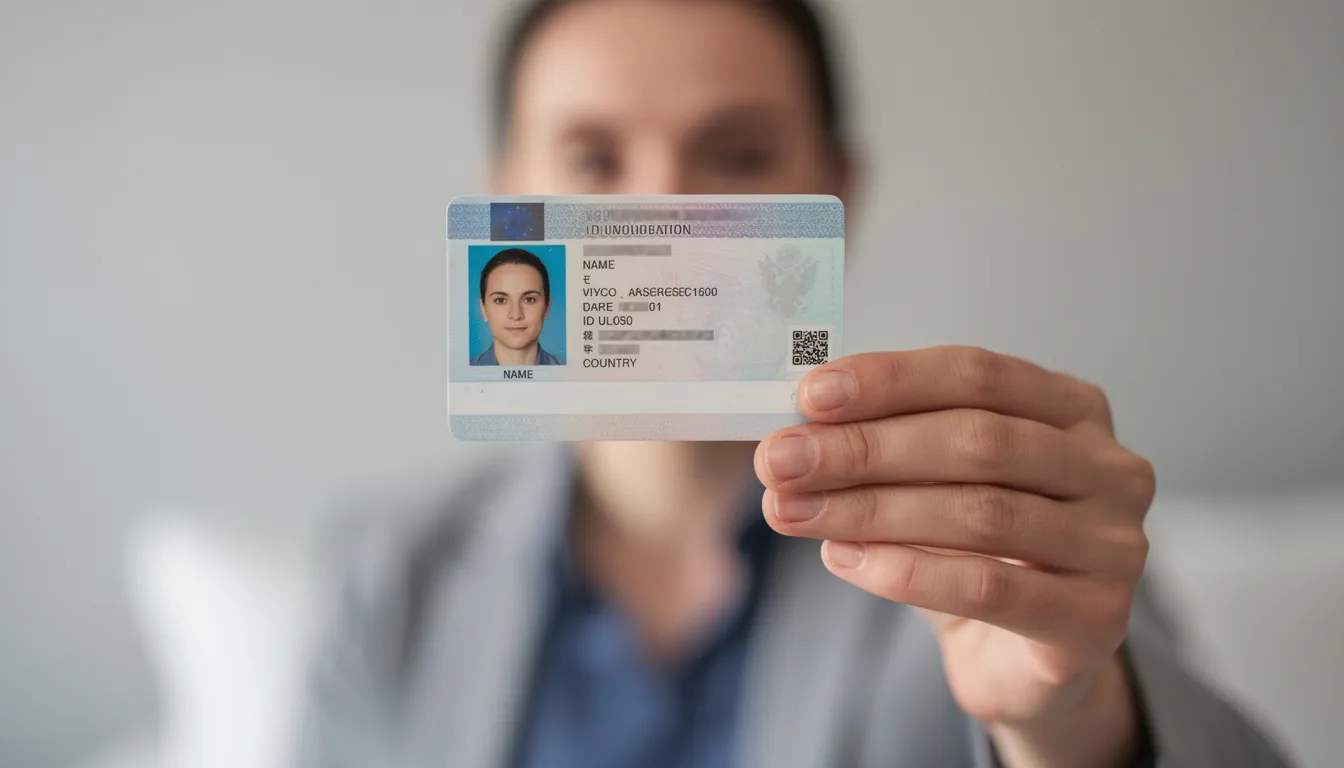
    The core workflow is straightforward. You upload a face photo from your phone or computer. The system scans that image against millions of records in its database. Within seconds, you receive potential matches—faces that appear similar, along with any associated public records or risk indicators.

    SafetyCamAI.com and its Android app, “SafetyCamAI – Reverse Mugshot” (available on Google Play), rely on facial recognition and reverse image search technology optimized for mugshot and criminal record–related datasets. Unlike general search engines that index the open web, this platform focuses specifically on data sources relevant to identity verification and safety screening.

    The AI engine works by measuring facial similarity across uploaded images and indexed records. It surfaces possible matches and associates them with publicly available information. The technology is tuned for 2023-2025 manipulation techniques, including detection capabilities for AI-generated or edited images that might evade traditional matching algorithms. While the proprietary details remain under the hood, the result is a system designed to catch what Google and TinEye often miss.

    Key trust and security features include encrypted uploads and results, a commitment that images are never sold or shared, and a focus on privacy rather than advertising. Your search data stays protected. The response you receive is designed to be fast and scannable—a landlord or hiring manager can quickly decide if deeper due diligence is needed.

    It’s worth emphasizing that results represent a risk signal, not a legal judgment. The platform helps you notice patterns and potential concerns. Final verification—through formal background checks, in-person interviews, or community reports—remains your responsibility.

    Step-by-Step User Journey

    The process flows in a logical sequence. First, you choose or take a photo of the subject you want to search. This could be a screenshot from a conversation, a doorbell camera still, or a profile picture saved from a dating app. Second, you upload that image securely through the web interface or mobile app. Third, you confirm the face area so the AI knows exactly which face to analyze. Fourth, you launch the search and wait briefly while the system processes. Fifth, you review the match candidates that appear, each with associated data when available. Sixth, you decide your next steps based on what you’ve found.

    Consider a hiring manager in January 2026 who uploads a candidate’s LinkedIn headshot before a final interview. If the system surfaces a match to undisclosed criminal history, that’s a signal to ask questions or escalate review—not to reject outright, but to gather more knowledge. Or imagine a parent in a residential community uploading a photo of someone who has been frequently loitering near the building entrance. A match might confirm suspicions; a clean result might offer peace of mind.

    Results typically appear in a few seconds, depending on network speed. This is designed for use right before or during a meeting—not days later when it’s too late. The whole point is enabling real-time safety decisions.

    Responsible use matters here. Treat output as a risk signal for further verification. A match doesn’t mean guilt. An absence of matches doesn’t guarantee safety. But better data leads to better decisions.

    Key Use Cases: When SafetyCamAI.com Replaces Your Old Image Search Habits

    For years, people have relied on Google Images as a gut-check tool. Someone seems suspicious? Upload their photo and see what comes back. The problem is that gut-check often returns nothing actionable—just random websites, similar-looking strangers, or empty results that leave you guessing.

    SafetyCamAI.com offers a focused alternative for serious safety questions. Here’s where the contrast matters most:

    Marketplace transactions: You’re selling a laptop via OfferUp or Facebook Marketplace in 2024. The buyer wants to meet in a parking lot. Old way: Google their profile photo, get inconclusive results, hope for the best. New way: Upload to SafetyCamAI.com, check for mugshot matches, and make an informed call before you leave home.

    Online dating: Your Tinder or Bumble match seems great, but something feels off. Old way: Reverse image search and find their photo on multiple accounts, still unsure what’s real. New way: SafetyCamAI.com checks against criminal databases, flagging concerns that a generic search would miss.

    Landlords and property managers: A rental applicant has great references but limited verifiable history. Old way: Run a standard credit check and call it done. New way: Upload their photo alongside the formal screening to catch discrepancies between their stated identity and public records.

    Parents checking service providers: A tutor or ride-share driver interacts with your children. Old way: Listen to recommendations, trust reviews, watch for obvious red flags. New way: A quick mugshot lookup adds another layer before you accept someone into your family’s life.

    HR teams and staffing agencies: A candidate’s resume looks perfect, maybe too perfect. Old way: Run a traditional background check tied to their provided name. New way: Upload their headshot to verify identity across visual records, catching alias usage or fraud that name-based checks miss.

    One user shared their experience after a marketplace close call. They uploaded a buyer’s photo before a scheduled meetup for an electronics sale. SafetyCamAI.com surfaced a match to an arrest record for theft. The user canceled the meeting and avoided what could have been a repeat of the scenario that sparked this company’s creation. That’s the goal: risk awareness before action, not vigilante justice afterward.

    Enterprise and HR: Beyond Traditional Background Checks

    Starting in 2024-2025, organizations began integrating SafetyCamAI’s Reverse Image Mugshot Lookup into pre-employment screening workflows. The focus is on cases where traditional background checks might fall short—identity fraud, alias usage, or situations where a candidate has partially disclosed their history.

    HR professionals can upload a candidate photo at the same time they run standard checks. If the facial recognition surfaces a match to records under a different name, that’s a compliance signal worth investigating. The platform can generate auditable risk reports, providing documented rationale for further review or escalation—particularly valuable in regulated industries where due diligence must be defensible.

    Teams can start with a limited number of free searches per week. The current offering includes 5 searches per week with no credit card required, allowing organizations to test the platform before committing to a subscription tier.

    The intent is workforce safety and fraud prevention. When someone submits a resume, you want to verify that the person behind it is who they claim to be. Traditional background checks rely on the name and data a candidate provides. Visual verification adds a layer that catches what words alone cannot.

    Why SafetyCamAI.com Builds More Trust Than Generic Search

    The argument for SafetyCamAI.com ultimately comes down to trust. This platform is designed around protecting people in two-sided marketplaces—buyers and sellers, landlords and tenants, employers and candidates, daters and matches. Traditional search engines are designed around ad revenue and broad content discovery. Their goals are fundamentally different.

    When you use Google to search a stranger’s face, you’re hoping the algorithm happens to surface something relevant. But generic search engines rarely present structured safety information from mugshot-like sources in a way ordinary users can interpret. The data might exist somewhere on the web, buried in a county records site or behind a paywall. You’ll never find it through a standard image search.

    SafetyCamAI.com places that risk context at the center of the experience. It helps safer communities close the gap between what people feel when meeting a stranger and what they can actually verify. That vague unease becomes concrete, checkable signals.

    There’s also a communication dimension worth acknowledging. Once someone has verified that a counterpart isn’t associated with obvious danger signals, it becomes easier to build rapport in person or in business. You’re not walking into a meeting with lingering doubt. You’re starting a conversation with greater confidence. That’s the philosophy behind SafetyCamAI’s broader mission: smarter security that supports connection, not paranoia.

    Words, Safety, and Decision-Making

    The way risk information is framed matters as much as the data itself. SafetyCamAI.com’s interface is designed to empower, not panic. Results are presented as signals requiring further consideration, not verdicts demanding immediate response.

    This connects to a broader awareness about language and decision-making. When you have better information, you can make better choices without attacking or accusing anyone. You can choose a different buyer, a different date, or a different hire simply because something didn’t feel correct—and now you have data to support that instinct.

    The phrase “words create worlds” applies to product design too. A platform that screams danger at every search would undermine its own utility. Instead, SafetyCamAI.com aims for clarity, options, and informed choice. You get the signals. You decide what they mean for your situation.

    Getting Started with SafetyCamAI.com Today

    Taking action is straightforward. Visit SafetyCamAI.com, create an account in a few minutes, and run your first reverse mugshot search with a test image. You’ll see the workflow in action—upload, scan, review, decide.

    For mobile users, the Android app is available on Google Play as “SafetyCamAI – Reverse Mugshot.” Web and mobile experiences are aligned around fast, private, encrypted searches. Whether you’re at your computer in the morning or on your phone before a meetup, the access point is the same.

    The core idea bears repeating: for safety-critical decisions about strangers, neighbors, applicants, or dates, SafetyCamAI.com is the modern alternative to using Google Image Search as a blunt tool. It’s purpose-built for the job that generic search was never designed to handle.

    Try it with something concrete. If you have a marketplace meetup scheduled this week, upload the buyer’s photo beforehand. If you’re conducting interviews next Monday, add a visual check to your hiring workflow. Start with a specific use case and see what the technology reveals.

    AI-powered image search isn’t just about better algorithms. It’s about protecting families, workforces, and communities from risks that remain invisible until it’s too late. The “new image search” is ultimately about human safety—and that’s a job worth doing well.


  • Explainer How Alex Pretti Was Murdered by ICE and Why This Should Never Have Happened

    Introduction: Why Alex Pretti’s Killing Matters Now

    On the morning of Saturday, January 24, 2026, in the streets of Minneapolis, a 37-year-old intensive care unit nurse named Alex Jeffrey Pretti was shot and killed by federal agents. He was a United States citizen. He was licensed to carry a concealed firearm. He was unarmed in his hands when the bullets struck him.

    Multiple bystander videos captured what happened on that frozen street. They show Alex Pretti being pepper sprayed in the face. They show him being tackled to the icy pavement by at least six federal officers. They show him pinned to the ground, his hands visible, while border patrol agents fired approximately ten rounds into his body.

    These videos directly contradict the official government account released within minutes of the shooting death—a narrative that claimed Pretti “violently resisted” and posed an imminent threat of “maximum damage and massacre.”

    This killing occurred amid “Operation Metro Surge,” a massive federal immigration enforcement campaign that had flooded Minneapolis with thousands of ice agents, border patrol agents, and other federal officers. The national guard had been activated by Governor Tim Walz. The city was already on edge following the earlier fatal shooting of Renee Good by federal immigration agents just weeks before.

    What happened to Alex Pretti is not merely a local tragedy in the twin cities. It is a stark warning about what happens when federal agencies treat American streets like occupied territory, when immigration enforcement becomes indistinguishable from political intimidation, and when the federal government can execute a citizen in broad daylight—then immediately vilify him as a terrorist before any investigation has begun.

    This article argues, based on publicly available evidence, that Alex Pretti’s killing was both avoidable and unjustifiable in a constitutional democracy. This should never have happened.

    Who Was Alex Jeffrey Pretti?

    Alex Jeffrey Pretti was born in Illinois and raised as a midwesterner who loved the outdoors. He studied biology at the University of Minnesota’s College of Liberal Arts, graduating in 2011. He became a registered nurse, eventually working in intensive care units in Minneapolis, where he treated some of the city’s sickest and most vulnerable patients.

    At 37 years old, Alex was a white American citizen with no criminal record beyond minor traffic tickets. His colleagues at the U.S. Department of Veterans Affairs, where he worked as an icu nurse, described him as dedicated and compassionate. The American Federation of Government Employees Local 704, his union, called him a member who cared deeply about his patients and his community.

    Alex was politically engaged in ways that put him in the streets. He was a participant in protests after the killing of George Floyd in Minneapolis. He was vocally opposed to Trump administration immigration policies, particularly family separations and street detentions by ice. His ex-partner described him as someone who saw these practices as “kidnapping children” and who felt compelled to speak out against what he viewed as systematic injustice.

    Those who knew him described a kindhearted soul who lived alone in a Minneapolis condo, raced bicycles competitively, and loved his dog. His parents, who lived in Colorado, remembered him as an outdoorsman who cherished the natural world but despised environmental degradation and systemic abuses. Neighbors recalled that during the tense days following the Renee Good killing, Alex had tipped a Latino worker $100—a small act that spoke to his character during a moment of community fear.

    Alex held a valid Minnesota permit to carry a concealed firearm, which he had obtained about three years before his death. He was not known for physical confrontation. Friends and family said his activism was verbal—he would shout criticisms at law enforcement during protests, but he never engaged physically. His criminal record consisted entirely of traffic tickets.

    This was the man identified by federal officials as a violent threat intent on massacring agents.

    The Day of the Shooting: Timeline of What Happened

    The morning of Saturday, January 24, 2026, dawned cold in Minneapolis. Federal agents from Border Patrol and ice had been conducting immigration enforcement operations in south Minneapolis for days as part of “Operation Metro Surge.” Protests had been ongoing since the killing of Renee Good, and tensions in the city were running dangerously high.

    Shortly after 9:00 a.m. local time, Alex Pretti arrived near the federal operation. According to eyewitness accounts and bystander videos obtained by the Associated Press and other outlets, Alex appeared to be filming the federal agents with a camera or phone in one hand. Some witnesses described him helping or attempting to shield a woman in the area.

    What happened next unfolded in seconds.

    At least seven federal officers, including agents from Border Patrol and possibly ice, converged on Alex. One agent deployed pepper spray directly into his face. The video shows Alex raising his hand instinctively—not reaching for a weapon, but blocking the chemical spray now burning his eyes.

    Agents then tackled him to the frozen ground. The video shows six officers restraining him facedown on the ice-covered pavement. His hands were visible. His hands were on the ground.

    While Alex was pinned and incapacitated, another agent located and removed a 9mm semiautomatic handgun from his waistband. The gun had been legally carried and concealed—not brandished, not drawn, not pointed at anyone.

    Then, critically, after the gun had been secured—after an agent had already begun walking away with the weapon—another border patrol agent fired multiple shots into Alex Pretti while he remained prone and subdued on the ground.

    Witnesses reported hearing approximately ten rounds.

    Alex Pretti died on that frozen street, roughly a mile from where Renee Good had been killed by federal immigration agents weeks earlier.

    Local police and ambulances arrived rapidly after the shooting. But by then, the federal government’s narrative machine had already begun spinning.

    Conflicting Accounts: Government Narrative vs. Video Evidence

    Within minutes of the shooting, before any investigation could possibly have been conducted, the Department of Homeland Security and U.S. Border Patrol issued public statements through officials like Commander Greg Bovino.

    Their account claimed that Alex Pretti:

    • “Approached” officers with a handgun

    • “Violently resisted” when agents tried to disarm him

    • Posed an imminent threat of “maximum damage and massacre”

    • Forced agents to fire “defensive shots” in self defense

    DHS spokesperson Tricia McLaughlin described the shooting as officers acting in self-defense during immigration enforcement operations. Federal officials quickly framed Alex not just as a threat, but as a potential “domestic terrorist.”

    The video evidence tells a different story entirely.

    Multiple bystander videos show Alex retreating, not approaching. They show him holding a phone or camera in his hand, not a gun. They show him being pepper sprayed without warning. They show him being wrestled violently to the ground by multiple agents. They show him pinned facedown, hands visible and empty.

    They show him being shot while he was already subdued and restrained.

    Minneapolis Police Chief Brian O’Hara confirmed publicly that Alex was a lawful gun owner with a valid permit to carry. He confirmed that Alex’s criminal record contained only minor traffic infractions. He confirmed that there was no history of violence.

    Alex’s family has been unequivocal in rejecting the official narrative.

    “Sickening lies,” they called the government’s claims. They insisted—and the video evidence supports—that Alex had his phone in his hand, not a gun. They believe he was trying to protect another person when agents attacked him.

    The gap between what federal officials claimed at their news conference and what Americans can see with their own eyes could not be wider.

    Family, Community, and Gun-Rights Reactions

    Alex Pretti’s parents released statements describing their son as a kindhearted soul devoted to his patients and committed to making a difference through nursing. They had spoken to him just days before his death, discussing mundane things like garage repairs. Nothing in their final conversations suggested any intent toward violence or self-harm.

    “We are heartbroken but also very angry,” his family said. They denounced the administration’s characterization of Alex as armed and dangerous. They demanded the release of all video footage. They called for an independent investigation free from federal government control.

    The American Federation of Government Employees did not mince words. The union labeled the killing a “murder” of one of their members by federal agents—an extraordinary statement reflecting the depth of outrage within the federal workforce itself.

    The Minnesota Gun Owners Caucus expressed deep concern about the killing of a lawful gun owner where no intent to harm officers was evident. They called for both state and federal investigation into the circumstances. Their statement affirmed that citizens retain the constitutional right to bear arms, even in proximity to protests, and expressed alarm that licensed gun owners could be summarily killed based on vague claims of threat.

    In the streets of Minneapolis, community members gathered despite sub-freezing temperatures. Vigils formed. Protesters chanted “say his name” for both Alex Pretti and Renee Good.

    A makeshift memorial appeared at a bus stop near the shooting site—flowers and candles placed on frozen concrete by mourners who had watched the videos and refused to accept the official story.

    Local businesses responded to the crisis. Allison Bross, who owns a fashion store near the protest areas, opened her doors to provide warmth, coffee, water, bathrooms, and basic medical attention to those gathering in the cold.

    The community’s message was clear: they had seen what happened with their own eyes. They would not believe the sickening lies told by federal authorities.

    Political Firestorm and Institutional Responses

    The political response was immediate and fierce.

    Governor Tim Walz called the federal presence in Minneapolis “organized brutality” and a “federal occupation.” He demanded the removal of the approximately 3,000 federal agents operating in the state. He vowed that Minnesota—not the Department of Homeland Security—would lead the investigation into Alex Pretti’s death.

    Minneapolis Mayor Jacob Frey pleaded for an end to “Operation Metro Surge.” In an emotional briefing, he warned: “Please, do not destroy our own city.” He argued that the federal response was undermining peace, safety, and fundamental American values.

    Minnesota’s congressional delegation responded forcefully:

    Official

    Response

    Sen. Amy Klobuchar

    Condemned ICE’s surge, called the killing “sickening”

    Sen. Tina Smith

    Demanded federal agents leave Minnesota

    Rep. Angie Craig

    Called for all officers involved to be suspended pending investigation

    Official

    Response

    Sen. Amy Klobuchar

    Condemned ICE’s surge, called the killing “sickening”

    Sen. Tina Smith

    Demanded federal agents leave Minnesota

    Rep. Angie Craig

    Called for all officers involved to be suspended pending investigation

    In Washington, the fallout escalated. Senate Democrats including Chuck Schumer, Catherine Cortez Masto, Jacky Rosen, Brian Schatz, and Bennie Thompson vowed to block Department of Homeland Security funding bills unless ice operations were reined in or defunded.

    Some called for the impeachment of Homeland Security Secretary Kristi Noem. Others demanded her immediate resignation. Several members threatened to shut down the federal government entirely rather than continue funding current ice operations.

    The Republican response took a starkly different tone.

    Defense Secretary Pete Hegseth praised ice agents as “patriots.” Vice President JD Vance blamed Minnesota officials for refusing to cooperate with ice enforcement. President Donald Trump defended the shooting and accused Minnesota leaders of inciting insurrection by opposing federal operations.

    The killing of Alex Pretti had become a flashpoint in a national battle over immigration enforcement, civil liberties, and the limits of federal power in American cities.

    Patterns of Violence: From Renee Good to Alex Pretti

    Alex Pretti’s death did not occur in isolation.

    Just weeks earlier, Renee Good had been killed by an ice officer in Minneapolis. Her death sparked the initial protests that brought Alex and others into the streets. The location where Alex was shot was barely a mile from where Good had died.

    In the Good case, federal agents blocked or resisted local investigation efforts. The Department of Justice declined to open a civil-rights probe—a break from how similar cases had been handled in previous administrations.

    The pattern is disturbing and unmistakable:

    • An immigration enforcement surge treats American city streets like occupied territory

    • Lethal force is used against U.S. citizens and residents during protests

    • Federal agencies obstruct independent investigation

    • The administration issues immediate narratives justifying the killings before evidence is gathered

    • Victims are posthumously vilified as threats or criminals

    Witnesses to Alex’s killing were reportedly detained at an ice field office following the shooting. This raised immediate concerns that evidence could be hidden or manipulated while the administration pushed its self defense narrative.

    Among residents and activists in Minneapolis, a disturbing consensus is forming: immigration enforcement has been repurposed as a tool for political control and protest suppression rather than public safety.

    How ICE and Federal Agents Escalated Instead of De-Escalating

    Standard law enforcement training emphasizes de-escalation. Officers are taught to issue clear commands, create time and distance, and avoid lethal force when a suspect is being restrained or retreating.

    What the videos show in Alex Pretti’s case is the opposite of de-escalation:

    1. Rapid convergence: Multiple agents swarmed Alex within seconds

    2. Overlapping commands: Witnesses described conflicting orders being shouted

    3. Immediate chemical agents: Pepper spray was deployed into his face without warning

    4. Violent takedown: He was forced onto icy pavement by multiple officers

    5. Lethal force on a prone subject: He was shot while pinned to the ground, outnumbered, and already incapacitated

    Even if Alex possessed a legally carried handgun—as federal officials claim—there is no video evidence that he pointed it, drew it, or attempted to fire it.

    The gun was removed from his waistband while he was on the ground. An agent walked away with the secured weapon. Only then did another agent fire.

    Confiscating a lawfully carried gun after the fact does not retroactively justify shooting someone who was not brandishing it. Pepper-spraying someone, tackling them, pinning them facedown, removing their weapon, and then shooting them is not self defense.

    It is execution.

    When federal officials announced within minutes that Alex intended to “massacre” agents—before any investigation, before reviewing body camera footage, before interviewing witnesses—they signaled something deeply troubling. They were not interested in discovering the truth. They were interested in justifying lethal force.

    Post-Truth Politics: “Believe Your Eyes—Not the Lies”

    From the first hours after the shooting, top officials and pro-administration media pushed a narrative of heroic self defense. They urged Americans to ignore or doubt the bystander videos circulating across social media and news outlets.

    Commentators and investigators urged the opposite approach: believe your own eyes.

    The clearest public evidence shows an icu nurse being pepper sprayed, subdued, and then shot while on the ground. It does not show him charging officers with a gun. It does not show him reaching for a weapon. It does not show him resisting after being incapacitated.

    What the world witnessed in those videos directly contradicts what DHS and Border Patrol claimed at their news conference.

    This case illuminates a broader “post-truth” crisis in American political life:

    • Government spokespeople claim events happened in ways that contradict the visual record

    • A dead citizen is smeared as a would-be murderer without due process

    • Partisan media ecosystems amplify official narratives regardless of contrary evidence

    • Public opinion becomes fractured along political lines rather than factual ones

    Polling and commentary increasingly blame right-wing media ecosystems and social media disinformation for normalizing this disregard for evidence. When the federal government can kill a citizen on camera and immediately convince a significant portion of the country that the victim was a terrorist, something fundamental has broken.

    The sickening lies told about Alex Pretti are not just an insult to his memory. They are an assault on the very concept of shared reality.

    Why Alex Pretti’s Killing Should Never Have Happened

    The facts of this case lead to an unavoidable conclusion: Alex Pretti should be alive today.

    He was a licensed gun owner who was not brandishing his weapon. He was clearly outnumbered by at least seven federal officers. He was pepper sprayed and incapacitated before the tackle. He was on the ground, hands visible, when he was killed. His weapon had already been removed when the shots were fired.

    Every standard of proportionality, restraint, and constitutional policing was violated.

    The constitutional implications are profound:

    Right

    How It Was Denied

    Right to life

    Killed while subdued and restrained

    Right to due process

    Executed without trial, evidence, or hearing

    Right to peaceful protest

    Targeted while filming federal agents

    Right to bear arms

    Legal gun ownership used as posthumous justification

    Right

    How It Was Denied

    Right to life

    Killed while subdued and restrained

    Right to due process

    Executed without trial, evidence, or hearing

    Right to peaceful protest

    Targeted while filming federal agents

    Right to bear arms

    Legal gun ownership used as posthumous justification

    In a matter of seconds, every protection that should shield an American citizen from their own government failed.

    What message does this send to the country?

    It says that a U.S. citizen nurse who opposes government policy can be killed in broad daylight. It says the government will immediately justify the killing, obstruct investigation, and vilify the victim. It says bystander videos mean nothing if federal authorities decide to call the dead man a terrorist.

    This is not immigration enforcement. This is not law enforcement. This is organized brutality operating under the color of law.

    What Must Change to Prevent Another Alex Pretti

    Honoring Alex Pretti’s life requires more than grief. It requires systemic change.

    Strict Limits on Federal Street Operations

    Ice and Border Patrol should face strict limits or a moratorium on conducting street operations in American cities. These agencies are trained for border enforcement, not urban crowd control. Their presence at protests creates inherently volatile situations where militarized tactics meet First Amendment activity.

    Clear Rules of Engagement

    Federal agencies must establish and follow clear rules on when agents can use force at protests. The use-of-force continuum must apply. Lethal force against a restrained, prone subject who has been disarmed should result in immediate criminal investigation, not press conferences praising the shooter.

    Mandatory Body Cameras with Immediate Release

    Every federal agent operating in domestic contexts must wear a body camera. In any critical incident involving serious injury or death, that footage must be released to the public within 72 hours—not months or years later, and not withheld indefinitely under claims of “ongoing investigation.”

    Independent State-Led Investigations

    When federal agents kill someone on local soil, state or local authorities must lead the investigation. Federal agencies must be barred from obstructing evidence collection, detaining witnesses, or taking control of crime scenes. The conflict of interest in DHS investigating its own agents is self-evident.

    Congressional Funding Conditions

    Congress must condition Department of Homeland Security funding on measurable accountability benchmarks. This includes transparent disciplinary processes, independent oversight bodies, and consequences for agencies that obstruct investigations or issue false public statements.

    Cultural Change Inside DHS

    The Department of Homeland Security requires fundamental cultural change. Training must focus on de-escalation and constitutional rights. Agents must stop viewing protesters and residents as enemy combatants. The mentality that treats every American street like a war zone must end.

    Alex Pretti spent his life saving others in intensive care units across Minneapolis. He treated veterans. He treated the critically ill. He showed up when his community needed him.

    On January 24, 2026, he showed up again—this time to bear witness to what his government was doing in his own city. For that, he was pepper sprayed, tackled, and executed by the agents of that government.

    The officials who killed him have faced no consequences. The officials who lied about him have faced no consequences. The campaign claimed he was a terrorist; the evidence shows he was a nurse with a camera.

    If this killing stands without accountability, it will happen again. If these lies stand unchallenged, they will be repeated.

    The only path forward is truth, accountability, and reform.

    Alex Pretti deserved better. So does every American.

  • SafetyCamAI.com used for KYC for Greetsey.com

    When a two-sided marketplace connects people for in-person services, trust becomes the foundation of every transaction. Greetsey.com, a platform that facilitates connections between domestic workers, homeowners, and service professionals, recognized this reality when they partnered with SafetyCamAI to power their identity verification process.

    This integration, rolled out in late 2024, represents a practical example of how modern marketplaces approach Know Your Customer (KYC) compliance while maintaining a smooth user experience. In this guide, we’ll break down exactly how safetycamai.com is used for KYC for greetsey.com, from the technical flow to the security considerations that make it work.

    Quick answer: how SafetyCamAI is used for KYC at Greetsey.com

    Since Q4 2024, Greetsey.com has integrated SafetyCamAI as a core component of its identity verification flow. The system handles verification for new users during onboarding and for existing users when they attempt high-risk actions on the platform.

    • SafetyCamAI powers automated face verification, document matching, and fraud checks during sign-up and for high-risk actions like large payments or withdrawals on Greetsey.com

    • Users are asked to upload photos of a government ID and a live selfie, which SafetyCamAI compares instantly to ensure the person creating the account is the legitimate ID holder

    • The integration is API-based: Greetsey.com sends encrypted images to SafetyCamAI, receives a risk and verification score back, and then decides whether to approve, flag, or decline the account

    • This process verifies both service providers and customers, creating two-sided KYC that enhances trust across the entire marketplace

    • The implementation helps Greetsey.com comply with evolving KYC and AML expectations while protecting both hosts and guests from identity fraud and account takeovers

    • The late 2024 rollout now supports Greetsey.com’s global user base across North America, EU, and key APAC regions

    Overview of SafetyCamAI and Greetsey.com

    • SafetyCamAI is an AI-powered face recognition and identity security platform with roots in real-world safety applications. Its computer vision models were originally developed for broader security use cases before being adapted for digital KYC scenarios.

    • The platform delivers a unified identity verification suite that includes government ID validation, biometric face matching, and anti-money laundering screening against major sanctions lists including OFAC, EU, UK HMT, and UN databases.

    • Greetsey.com operates as an online marketplace facilitating connections between domestic workers, homeowners, and professionals in a judgment-free environment. Users access the platform to find and book in-person services where knowing who you’re dealing with is essential for safety.

    • By 2025, Greetsey.com’s growth into new markets increased regulatory pressure to adopt stronger KYC and user verification standards that could scale with seasonal traffic variations.

    • SafetyCamAI’s existing expertise in fast facial matching—with median completion times under 10 seconds—made it a natural choice for Greetsey.com’s risk and compliance team when selecting a KYC technology partner.

    • The platform’s ability to handle 25,000 to 150,000 monthly checks with seasonal variances aligned well with Greetsey.com’s fluctuating verification volumes.

    Why Greetsey.com chose SafetyCamAI for KYC

    Greetsey.com evaluated multiple KYC vendors in mid-2024 before selecting SafetyCamAI as its primary facial verification provider. The pilot phase ran from July through August 2024, with full rollout completed by November 2024.

    • Match accuracy: SafetyCamAI’s face matching models, derived from security-focused computer vision applications, reportedly reduce false positives by 25-35% compared to competitor solutions from 2023-2024 feedback

    • Speed of verification: Processing times under 10 seconds for automated flows meant users could complete verification without abandoning the onboarding process

    • Global document coverage: Support for government-issued IDs from over 200 countries, with optimized templates for high-volume markets including the US, Canada, UK, EU, Brazil, Mexico, and key APAC regions

    • Flexible API integration: Developer-friendly APIs and mobile SDKs for iOS and Android allowed seamless integration with Greetsey.com’s existing onboarding stack without extensive professional services

    • Alignment with Greetsey.com’s mission: SafetyCamAI’s background in real-world safety and crime prevention matched Greetsey.com’s own focus on creating safe, in-person interactions between users

    • Fraud pattern detection: The ability to cross-check faces against known fraud patterns or previously banned accounts proved to be a strong differentiator during testing

    • Scalability: Pre-deployment load tests demonstrated SafetyCamAI’s capacity to handle tens of thousands of verifications per day during seasonal traffic spikes

    • Cost efficiency: Usage-based billing without volume penalties accommodated Greetsey.com’s fluctuating verification volumes throughout the year

    The design philosophy of avoiding data resale and not functioning as a consumer reporting agency aligned with Greetsey.com’s privacy-first approach to user data.

    How the SafetyCamAI video KYC flow works on Greetsey.com

    This section walks through the practical steps a user experiences when going through KYC on Greetsey.com. The flow is designed to be quick while still capturing the information needed for thorough identity verification.

    • Step 1 — Account creation and trigger: User creates an account on Greetsey.com. When they want to host services or perform higher-risk actions, they are prompted to start identity verification through a secure in-app or web flow. No credit card required at this stage—verification is a prerequisite for certain platform features.

    • Step 2 — Document upload: User uploads photos of a valid government ID such as a passport, national ID card, or driver’s license from supported countries. SafetyCamAI’s OCR extracts text including names, nationalities, birth dates, and expiration dates while validating security features like holograms to flag counterfeits.

    • Step 3 — Liveness check: User takes a live selfie or short video for liveness verification. SafetyCamAI employs both active liveness detection (where users perform specific movements) and passive liveness techniques that analyze subtle physiological cues. This prevents spoofing with printed photos, screen images, or deepfakes.

    • Step 4 — Face comparison: SafetyCamAI compares the selfie against the photo on the ID, returning a similarity score and a pass/fail decision back to Greetsey.com via API. This happens in a few seconds under standard network conditions.

    • Step 5 — Risk assessment: Behind the scenes, Greetsey.com combines SafetyCamAI’s response with its own risk signals including IP risk scoring, device fingerprinting, and velocity checks to detect anomalous behaviors before finally approving or rejecting the account.

    • Step 6 — Decision: Based on the combined signals, Greetsey.com can approve the user, flag them for manual review, or decline the verification. Users receive clear feedback about next steps.

    Facial recognition technology in SafetyCamAI KYC

    SafetyCamAI’s Know Your Customer (KYC) process is built around advanced facial recognition technology, providing both business and personal users with a secure and compliant way to verify their identities. The process is designed for simplicity and speed: users can start by watching a short video that explains the steps, then take a live photo or selfie, which is instantly matched against the images on their government-issued ID. This seamless approach means users can access the platform quickly, without the need for a credit card or lengthy sign-up forms.

    Security and compliance are at the core of this system. SafetyCamAI’s facial recognition algorithms review and verify user data—including photos and personal documents—ensuring that only legitimate users gain access. The technology is accessible from any computer or mobile device, and supports multiple languages, making it easy for users and businesses around the world to get started for free. With instant verification, users can have peace of mind knowing their personal information is protected, while businesses benefit from a streamlined onboarding process that meets regulatory requirements.

    Document analysis and verification steps

    A critical part of SafetyCamAI’s KYC process is its robust document analysis and verification step. Users are prompted to upload clear photos of their government-issued IDs and other personal documents. The platform’s machine learning algorithms then review these images, analyzing the design, layout, and embedded security features to detect any signs of tampering or fraud. This ensures that only authentic documents are accepted, providing a strong layer of security and compliance for both personal and business users.

    The verification process is designed for speed and convenience—users receive instant feedback and can access the platform without waiting for manual email or phone verification. By constantly updating its document analysis system to reflect the latest changes in document design and security features, SafetyCamAI stays ahead of emerging threats. This commitment to thorough review and compliance helps protect user data and ensures that businesses can trust the identities of those accessing their services.

    Machine learning algorithms powering SafetyCamAI

    At the heart of SafetyCamAI’s platform are sophisticated machine learning algorithms that drive instant facial recognition, document analysis, and user verification. These algorithms are trained on vast datasets of images and documents, enabling them to recognize subtle patterns and anomalies that may indicate fraud or identity theft. As users interact with the system, the algorithms continue to learn and adapt, improving their accuracy and effectiveness over time.

    This dynamic approach allows SafetyCamAI to provide a secure and compliant KYC process for both personal and business users. The platform’s machine learning capabilities ensure that user data is thoroughly reviewed, and that only legitimate users gain access. By staying up to date with the latest security trends and user behaviors, SafetyCamAI delivers a seamless experience that protects users and businesses alike from evolving threats.

    Security, privacy, and compliance considerations

    Using SafetyCamAI for KYC involves handling sensitive biometric and personal identity data. Both Greetsey.com and SafetyCamAI implement strict security and privacy controls to protect this information throughout the verification process.

    • All images and documents sent from Greetsey.com to SafetyCamAI are transmitted over encrypted channels (TLS/HTTPS) and processed in secure environments

    • SafetyCamAI maintains SOC 2 Type II certification for security, availability, and confidentiality, alongside ISO 27001 certification for information security management

    • Greetsey.com configures SafetyCamAI to store only what is necessary for verification and dispute resolution, with retention periods aligned to internal policies and regional regulations

    • For GDPR compliance in the EU and CCPA in California, both platforms implement data processing agreements, purpose-limited data streams that segregate KYC datasets from other operations, and user rights fulfillment with 30-day service level agreements for opt-out requests

    • SafetyCamAI supports data residency options, allowing Greetsey.com to keep EU user data in European data centers and US user data in US infrastructure where applicable

    • Both parties implement role-based access controls, audit logging, and regular security reviews to prevent unauthorized access to KYC data

    • Users are informed during the verification flow that biometric comparison is being performed, and consent is obtained as part of Greetsey.com’s terms and privacy notice

    • SafetyCamAI commits to not scraping social media or reselling user data, which was a key factor in Greetsey.com’s vendor selection with privacy in mind

    Security Feature

    Implementation

    Data encryption

    TLS/HTTPS in transit, encrypted at rest

    Certifications

    SOC 2 Type II, ISO 27001

    Privacy regulations

    GDPR, CCPA compliant

    Data residency

    US or EU options

    Access controls

    Role-based with audit logging

    Data retention

    Configurable per business needs

    Security Feature

    Implementation

    Data encryption

    TLS/HTTPS in transit, encrypted at rest

    Certifications

    SOC 2 Type II, ISO 27001

    Privacy regulations

    GDPR, CCPA compliant

    Data residency

    US or EU options

    Access controls

    Role-based with audit logging

    Data retention

    Configurable per business needs

    Results and feedback from Greetsey.com’s KYC process

    Since implementing SafetyCamAI’s KYC technology, Greetsey.com has seen overwhelmingly positive results and feedback from its user base. Users appreciate the instant verification process, which allows them to watch a brief video, take a photo, and gain access to the platform without the need for a credit card or time-consuming sign-up procedures. The streamlined onboarding experience has made it easier for users to get started and has increased overall satisfaction.

    The effectiveness of SafetyCamAI’s document analysis and facial recognition has also been widely praised, with users and the business alike noting a significant reduction in fraud and identity theft attempts. The instant, secure verification process means users can access services quickly, without waiting for email or phone confirmations. Overall, the feedback highlights the value of a secure, user-friendly KYC process that puts both security and convenience at the forefront.

    Benefits of using SafetyCamAI for Greetsey.com users and the platform

    Integrating SafetyCamAI has delivered measurable benefits for trust, fraud reduction, and user experience on Greetsey.com. The way verification is handled impacts everything from conversion rates to marketplace safety.

    • Reduced fake accounts and identity misuse: Fewer fraudulent signups means fewer chargebacks, fewer scams, and a safer environment for in-person meetups between service providers and customers

    • Fast verification experience: Users complete KYC in seconds rather than waiting hours or days for manual review, which helps Greetsey.com maintain a smooth onboarding experience while meeting compliance standards

    • Trust indicators: Users who complete verification can receive “ID verified” badges on their profiles, improving conversion rates for hosts and increasing confidence for guests booking services

    • Lower false positive rates: SafetyCamAI’s security-derived face matching models reduce unnecessary manual reviews by 25-35% compared to previous solutions, freeing up Greetsey.com’s risk team to focus on genuine edge cases

    • Market expansion: Stronger KYC allows Greetsey.com to expand into more regulated markets and offer additional payment options, benefiting the entire ecosystem of users who can now access the platform from more regions

    • Instant translation support: Conversations on Greetsey.com leverage Galaxy Translate for instant language translation, creating a layered safety net when combined with verified identities for user interactions

    • Scalable economics: The integration lowers verification expenses through usage-based pricing, helping Greetsey.com’s business economics as they scale to new markets

    The combination of two-sided KYC and public background checks—scanning records and other data sources to flag risks upfront—creates a trust layer that was previously found only in enterprise marketplaces.

    The results speak to how identity verification, when implemented well, becomes a competitive advantage rather than just a compliance checkbox. For users, knowing that everyone on the platform has been verified creates peace of mind when arranging in-person services. For Greetsey.com, it means healthier unit economics and the ability to watch fraud metrics improve quarter over quarter.

    Future developments for SafetyCamAI KYC at Greetsey.com

    Looking ahead, SafetyCamAI is dedicated to further enhancing its KYC technology to meet the evolving needs of users and businesses. Planned developments include integrating artificial intelligence to analyze user behavior and proactively detect potential security threats, adding an extra layer of protection for all users. The platform also aims to expand its language capabilities, making secure and compliant onboarding accessible to an even broader global audience.

    In addition, SafetyCamAI is exploring innovative technologies such as blockchain to further strengthen the security and compliance of its KYC process. The company is considering offering a free trial or demo, allowing users to review and experience the platform’s features before making a commitment. By continuously innovating and prioritizing user security, SafetyCamAI ensures that both personal and business users can access a trusted, seamless, and compliant verification experience—now and in the future.

    Key takeaways

    • SafetyCamAI powers Greetsey.com’s KYC flow through API-based integration, handling document verification, face matching, and liveness detection

    • The system verifies both service providers and customers, creating two-sided trust in the marketplace

    • Verification completes in seconds with median processing times under 10 seconds

    • Security measures include SOC 2 Type II certification, ISO 27001 compliance, and GDPR/CCPA alignment

    • The integration supports Greetsey.com’s expansion into regulated markets while maintaining user experience

    If you’re building a marketplace where trust matters, the integration between SafetyCamAI and Greetsey.com offers a practical blueprint. Start by evaluating your verification needs, consider how you’ll handle both sides of your marketplace, and look for partners whose infrastructure can scale with seasonal demand. The combination of fast verification, strong security, and flexible integration options is what makes modern KYC work without creating friction for legitimate users.

  • Announcing the SafetyCamAI Safe Living Platform as a Service

    Smarter Security. Safer Communities.

    Residential communities face an uncomfortable reality: traditional background checks and consumer grade search tools no longer address today’s security challenges. Property managers need more than outdated or incomplete databases—they need real-time protection that scales with their properties and protects both their workforce and residents.

    SafetyCamAI’s Safe Living Platform as a Service delivers exactly that. SafetyCamAI’s Safe Living Platform is an AI-driven system using facial recognition, cameras, and open-source intelligence (OSINT) to enhance security for HR and compliance. SafetyCamAI is a cutting-edge identity verification platform designed for Human Resources leaders. By combining AI-powered video surveillance with facial recognition and proactive screening measures, this platform transforms how gated communities, residential complexes, and property management companies—and especially human resources leaders—approach community safety.

    What You’ll Get with SafetyCamAI Safe Living Platform for Ongoing Workforce Safety

    • AI-powered video surveillance with real-time threat detection

    • The platform leverages advanced AI to monitor entrances, common areas, and perimeters 24/7, instantly scan faces against public mugshot databases, and generate automated alerts before incidents escalate. The system employs AI-powered threat detection to distinguish between people, animals, and objects, reducing false alarms and improving response accuracy.

    • Integrated access control with facial recognition

    • Seamless integration with gates, doors, and entry points uses reverse image mugshot lookup technology to verify identity of visitors, contractors, and residents—helping HR teams protect properties from unauthorized access. The Reverse Image Mugshot Lookup tool allows HR teams to check applicant’s photo against public mugshot databases and federal criminal records, helping organizations verify identity and confirm identities during the hiring process.

    • Comprehensive monitoring dashboard with mobile access

    • Property managers and residents receive instant notifications through a centralized dashboard, enabling rapid response coordination and uncovering hidden criminal histories in real-time. The platform provides comprehensive visual and access logs for thorough security audits and compliance.

    • AI-Powered Risk Scoring

    • The platform provides confidence levels for potential identity matches to prioritize alerts, allowing HR and security teams to focus on the most critical cases.

    • Smart visitor management system

    • Pre-approve guests, track deliveries, and maintain detailed logs of all property access—supporting workplace safety standards while streamlining onboarding workflows for new residents. The platform supports workplace safety and helps uncover hidden risks by cross-referencing online records and applicant’s photo.

    • Emergency response coordination

    • Direct integration with local law enforcement and security professionals ensures faster response times, helping mitigate risk during critical incidents.

    • Analytics and risk reports

    • Detailed reporting helps compliance officers track incidents, identify patterns, and ensure compliance with regulatory obligations across multiple properties. SafetyCamAI generates clear, auditable reports for every search (search generates) that can be attached to candidate files for compliance reviews.

    • The platform can be deployed locally or in the cloud, offering flexibility to meet different organizational needs.

    • SafetyCamAI integrates with other smart home devices, enhancing overall safety and convenience.

    • The platform adheres to privacy-by-design principles, processing only publicly available images.

    • SafetyCamAI provides real-time alerts to help prevent issues like elopement in care facilities and streamline complex safety audits.

    • Users can manage their security system remotely through a mobile app.

    • Designed for solving HR’s challenges, SafetyCamAI empowers HR to adopt proactive screening measures, addressing cases pre employment screening and helping organizations avoid costly mistakes by not having to trust traditional background checks alone.

    “We reduced security incidents by 40% in the first quarter. The platform’s ability to run background checks through facial recognition at entry points changed everything for our 500-unit community.” — Rachel M., Regional Property Manager

    Who This Platform Is For

    • Property management companies overseeing residential complexes who need scalable screening across multiple locations, helping HR leaders and human resources leaders with scalable screening and vendor vetting, including third party partners

    • Homeowners associations in gated communities seeking to adopt proactive screening measures without complex infrastructure, ensuring third party partners do not introduce hidden risks

    • Multi-family housing operators looking to enhance tenant safety while protecting property value and avoid costly mistakes that could expose organizations to liability and cost organization millions, including use for workforce Waretown

    • Security companies wanting to offer advanced AI-powered services that integrate with existing applicant tracking systems, useful for positioning organizations as leaders in compliance and workplace safety

    The platform supports comprehensive vendor vetting and third party partner screening to prevent hidden risks to your organization.

    Why Now Is the Right Time to Adopt Proactive Screening Measures

    Industry analysts estimate negligent hiring lawsuits cost organizations millions annually. With hybrid work environments expanding and remote hiring verification becoming standard, security gaps at residential properties have widened significantly. The hiring process is a critical stage where hidden risks can arise if organizations do not verify identity thoroughly, potentially exposing them to legal, financial, and reputational harm.

    Traditional background checks miss critical information. Falsified documentation raise questions that often go unanswered until it’s too late. Pre employment screening alone cannot protect communities from workplace violence or ongoing workforce safety threats. The SafetyCamAI Safe Living Platform supports workplace safety by helping organizations uncover hidden risks during the hiring process, adding an extra layer of due diligence to prevent incidents before they occur.

    The SafetyCamAI Safe Living Platform addresses these vulnerabilities immediately. By spotting potential risks early through continuous monitoring rather than one-time checks, HR professionals and property managers gain an unprecedented advantage in protecting residents, staff, and assets. The platform is designed for solving HR’s most pressing challenges in compliance and risk mitigation, ensuring organizations verify identity and maintain a safe environment.

    Get Started Today with Seamless Integration

    SafetyCamAI Safe Living Platform is available in three service tiers:

    • Community Essentials — Entry monitoring and basic threat detection for smaller properties

    • Professional — Full access control integration, visitor management, and analytics dashboards

    • Enterprise — Nationwide scalability with custom integrations, dedicated support, and compliance reviews

    Every package includes:

    • Professional installation and system configuration

    • Free training sessions for property staff and security professionals

    • 24/7 technical support and customer service

    • Strict data handling policies with GDPR compliance standards

    • Data encrypted end to end for maximum privacy protection

    Ready to transform your community’s security?

    Contact our team at [email protected] or schedule a live demo to see the platform in action.

    For media inquiries about the product launch, please reach out to our media contact at [email protected].

    Common Questions About Background Screening Processes

    Will this work with our existing security cameras and systems? Yes. SafetyCamAI offers seamless integration with most existing surveillance infrastructure. Our team assesses your current setup during onboarding and ensures compatibility with your access control and monitoring systems.

    How do you handle data privacy and federal criminal records access? All data processing follows strict data handling policies and GDPR compliance standards. Footage and facial recognition data are encrypted end to end, and we maintain clear protocols for accessing public records including federal criminal records and online identity sources.

    How long does implementation take? Most communities complete onboarding candidates within 2-4 weeks, depending on property size. Our dedicated team manages the entire background screening processes integration and staff training.

    Can this scale for different property sizes? Absolutely. From a 50-unit building to a 5,000-resident planned community, the platform adapts to your needs. HR departments and property managers can add locations, adjust monitoring parameters, and expand coverage as their portfolio grows.

    Your community deserves security that works around the clock. Let’s help you build trustworthy workplaces and safer homes.

  • Dating

    MaidDate.com – Where Respect Meets Romance
     Respect-first dating · KYC-verified

    Dating for real people — built on safety, consent & respect.

    MaidDate.com connects domestic workers, homeowners, and everyday professionals in a judgment-free space. Every account is verified with SafetyCamAI and conversations can be translated instantly with Galaxy Translate.

    No employer–employee pressure. Just mutual matches between consenting adults.

     KYC via SafetyCamAI.com
    🌎 Powered by GalaxyTranslate.com
    Secure by design. Background checks against public sources only.
    Why MaidDate.com

    Built for safety, consent & dignity.

    We don’t just copy other dating apps. MaidDate is engineered for people in caregiving and service roles, with extra protections around boundaries and identity.

    🛡️

    KYC & public background checks

    Every profile can be verified through SafetyCamAI.com, which checks public records and mugshot-style data sources to flag obvious risks.

    ✔ We verify identities — you choose who to trust.
    🌎

    Instant translation with Galaxy Translate

    Real-time text translation powered by GalaxyTranslate.com. Speak in the language you’re most comfortable with and let the app handle the rest.

    🌐 100+ languages · auto-detect
    🤝

    No employer–employee pressure

    Our policies strongly discourage dating within active employer–employee relationships. Profiles confirm that any work relationship has ended before matching.

    ❤️ Mutual, voluntary matches only
    How it works

    3 simple steps to a safer connection.

    From profile creation to verified video call, MaidDate is designed to feel safe, clear, and easy at every step.

    • 1
      Create your respectful profile
      Tell your story: what you do, what you value, and what kind of connection you’re looking for. You’re always more than your job title.
    • 2
      Verify with SafetyCamAI KYC (optional but recommended)
      Verify your identity through SafetyCamAI.com to earn a “Verified” badge. We use public platforms and records only to help other users feel safer.
    • 3
      Match, translate & connect
      Swipe or browse, send a like, and match when it’s mutual. Turn on Galaxy Translate to chat in your own language, then move to private, encrypted video when you’re both ready.
    Safety snapshot
    What happens behind the scenes when you connect.
    Privacy-first
    🔍 Identity check
     Optional KYC via SafetyCamAI.com to confirm real humans, using mugshot-style and public data sources. 
    KYC enabled
    🌎 Language layer
     Chat messages can be auto-translated through GalaxyTranslate.com, while you always see the original text. 
    Galaxy Translate
    🔐 Boundaries & reporting
     One-tap block & report tools, no tolerance for harassment or coercion, and explicit rules against active employer–employee dating. 
    Respect-first

    We provide tools and checks to help you make safer decisions — but you are always in control of who you meet and how you interact.

    Real stories

    People who felt seen, not judged.

    Luz · 32
    Live-in housekeeper
    ★★★★★

    “On other apps I felt stereotyped. On MaidDate I feel like a person first. The SafetyCamAI check made me confident about who I was meeting.”

    James · 41
    Single dad, homeowner
    ★★★★★

    “Knowing that profiles can be verified and that employer-employee dating is discouraged makes the whole experience feel much more ethical.”

    Fatima · 27
    Cleaner · Uses Galaxy Translate
    ★★★★☆

    “I’m still learning English. Galaxy Translate helps me express my real personality without worrying about every word.”

    Questions

    FAQ & safety disclaimer.

    • Is it only for “maids”?
      No. MaidDate is for domestic workers, caregivers, cleaners, homeowners, and everyday professionals who believe in respectful, down-to-earth relationships.
    • Do you allow people to date their current maid or employer?
      We strongly discourage and can restrict matches where there is an active employer–employee relationship. Our terms require users to confirm that any such work relationship has ended before pursuing a romantic connection.
    • How do SafetyCamAI and Galaxy Translate work here?
      We integrate with SafetyCamAI.com to offer optional identity and public-record checks, and with GalaxyTranslate.com to provide smooth, real-time chat translation across many languages.
    • Is my data shared with employers or agencies?
      No. MaidDate is a dating platform, not an employment site. Your dating profile is separate from any work arrangement and is never shared with agencies or employers without your explicit consent.
    Important safety & responsibility notice MaidDate.com uses tools like SafetyCamAI.com to perform limited background checks against publicly available information only. These checks may help you make more informed choices, but they are not guarantees of anyone’s character, history, or future behavior.

    We cannot and do not accept responsibility for the actions of any user, on or off the platform. You are solely responsible for your own safety decisions, including where you meet, how you communicate, and whether you choose to continue any relationship.

    Always meet in public places first, tell a friend where you’re going, and trust your instincts. If something feels wrong, end the interaction and use our in-app reporting and blocking tools.

    Ready to try dating that actually respects your work?

    Join a community that sees the value in cleaners, caregivers, and everyday professionals — and backs it with real verification and translation tools.

    Join

    Sign up or sign in to MaidDate

    Use the secure members area below to create your account or log in. This is powered by your live MaidDate.com members page.

  • jobs assistant

    SurfIAI Jobs Assistant — Chrome Extension
    SurfIAI Jobs Assistant · Chrome Extension
    Works directly on job sites as a Chrome plugin

    Tailor your resume while you’re on the job posting.

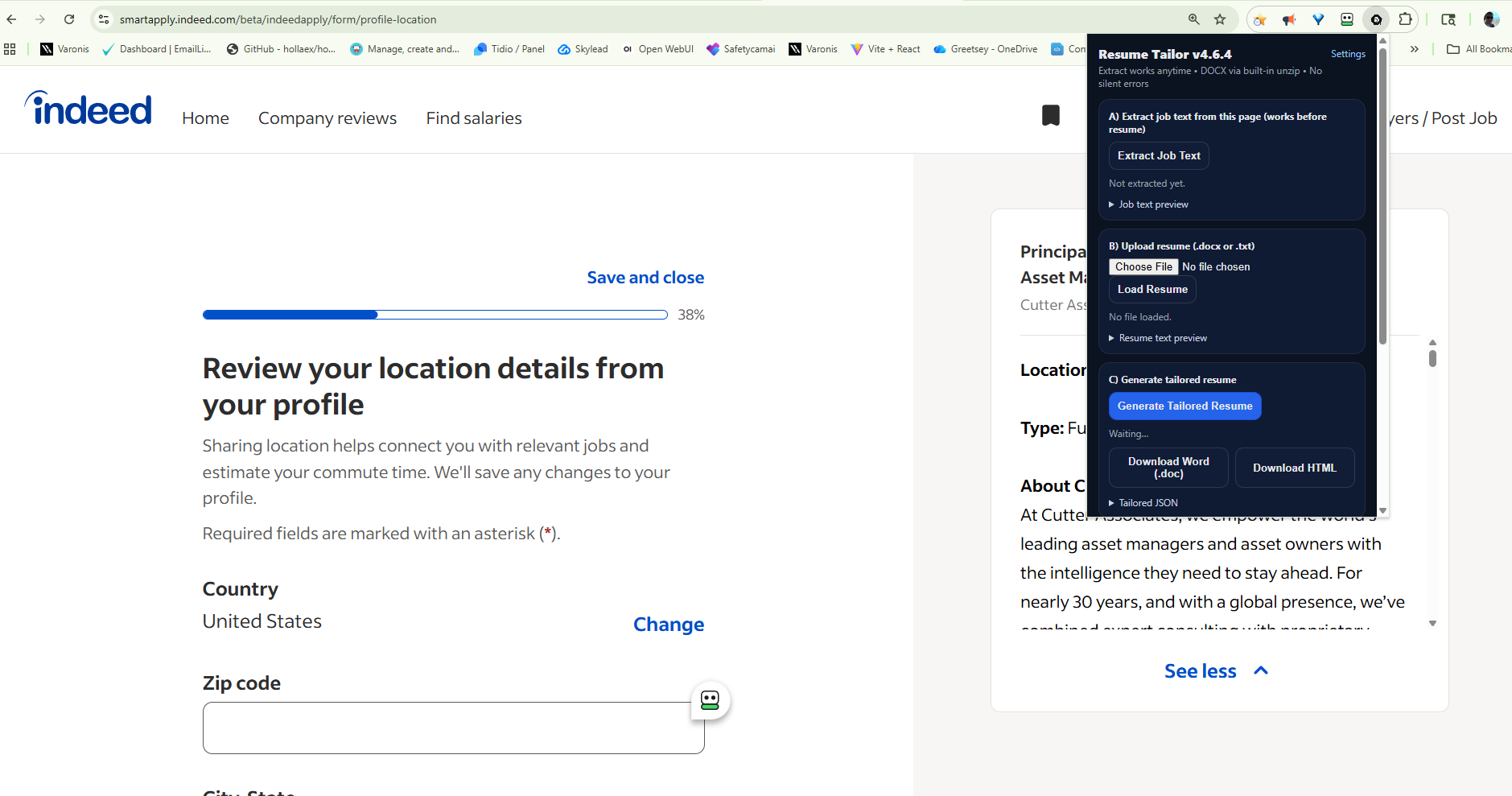
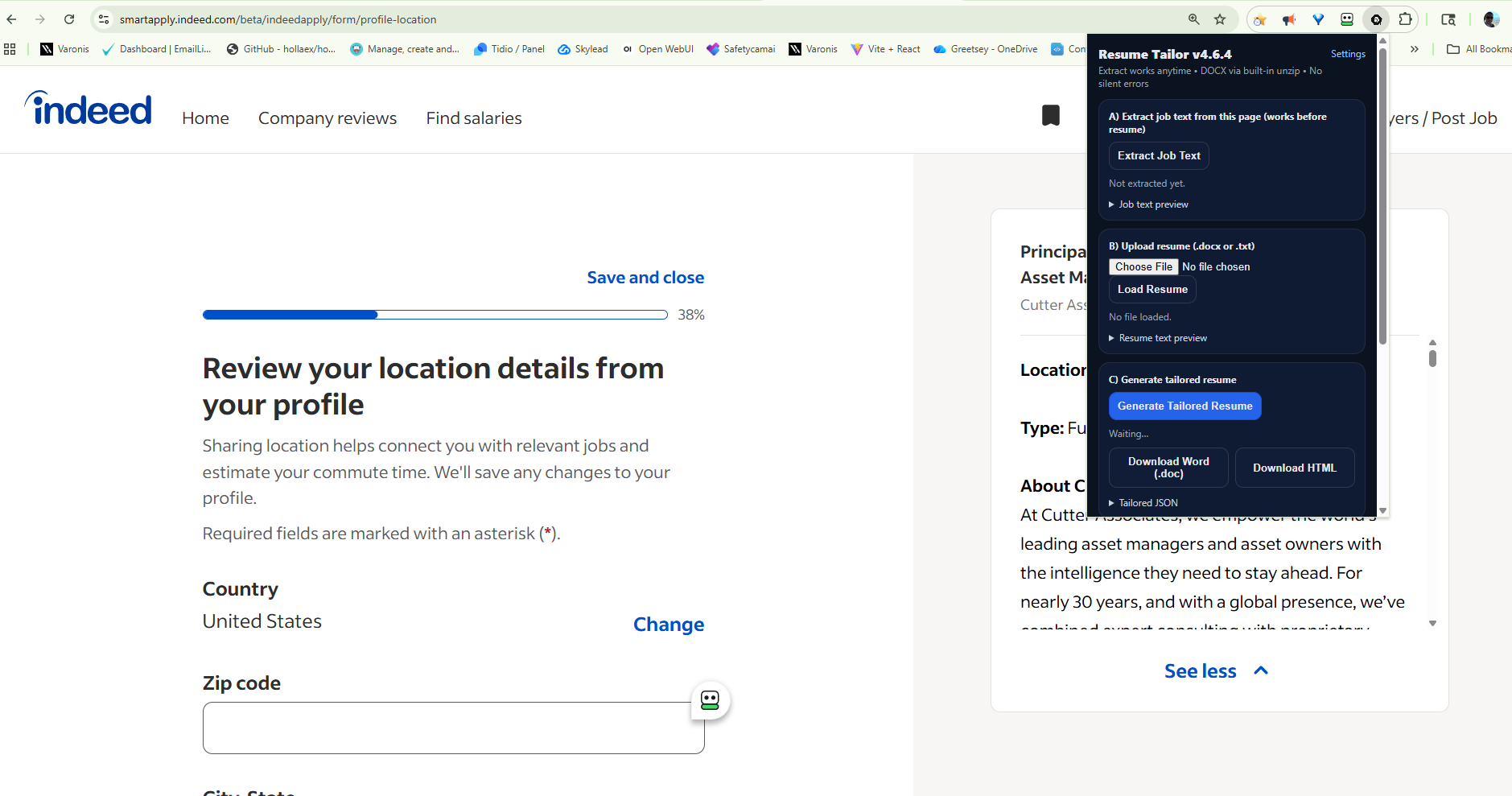
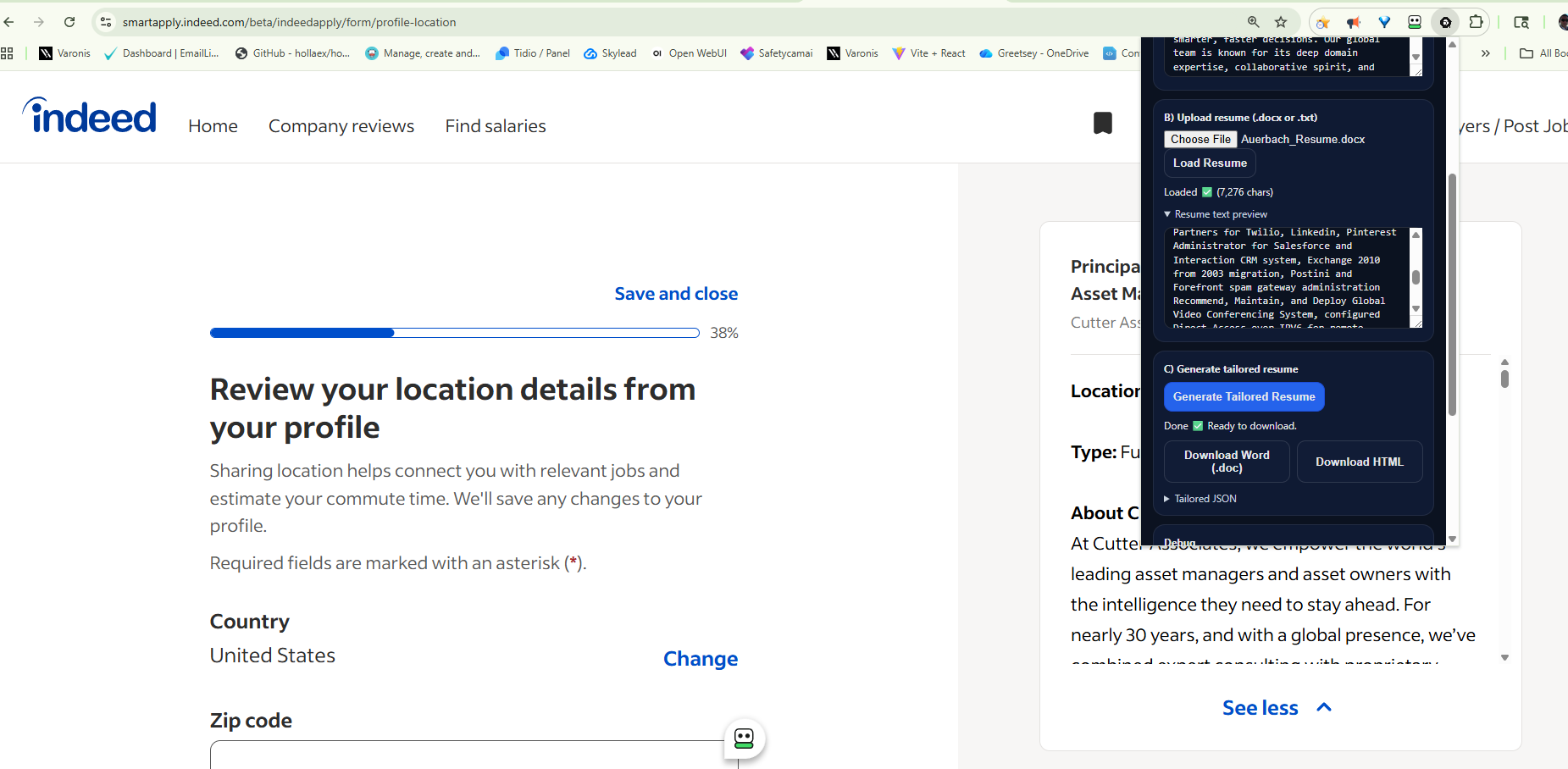
    SurfIAI Jobs Assistant is a Chrome extension that reads the job requirements on the page, tailors your resume to match, and helps you move from “I should apply” to “Submitted” faster.

    On-page job parsing
    ATS-friendly alignment
    Ready-to-submit output
    SurfIAI Jobs Assistant Chrome extension screenshot

    One plugin. Every job board.

    Install once. Then tailor every application right where you’re browsing.

    How it works (Chrome extension flow)

    SurfIAI is designed to work where you’re already applying — inside Chrome — so the job requirements are always in context.

    Step 1
    Open a job posting

    Go to any job page (Indeed, LinkedIn, company ATS, etc.). SurfIAI reads the page content directly.

    Step 2
    Click the SurfIAI icon

    The extension extracts key responsibilities, required skills, and role language that recruiters screen for.

    Step 3
    Generate tailored output

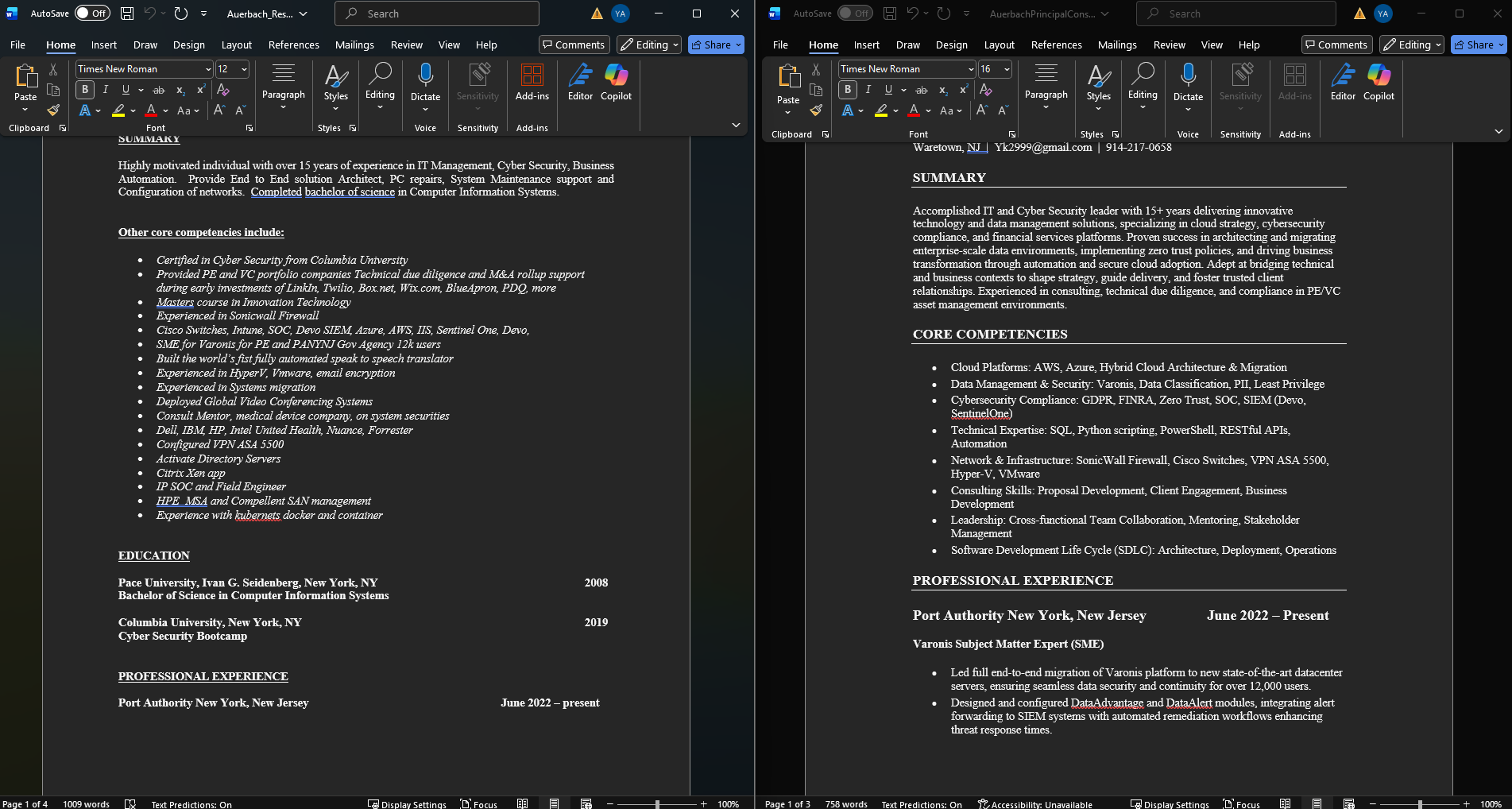
    Your resume content is rewritten to align with the posting while staying clean, honest, and readable.

    Product screens

    Your screenshots, presented in a clean light UI that stays readable while still feeling premium.

    Get the plugin and start applying faster today.

    Checkout takes seconds. Install the extension, pin it, and use it on any posting.

    Get the SurfIAI Chrome Plugin

    This button goes straight to checkout at checkout.safetycamai.com.

    Checkout → Install → Pin

    After checkout, install the extension in Chrome and pin it to your toolbar for one-click access.

    1
    Purchase on checkout.safetycamai.com

    Complete checkout to unlock the Chrome plugin.

    2
    Install the extension

    Add it to Chrome and accept the install prompt.

    3
    Use it on any job posting

    Open a posting, click SurfIAI, generate the tailored resume, and apply.

    Install once. Use it everywhere.

    SurfIAI is built for speed: tailor in-context, apply faster, get more callbacks.

    SurfIAI Jobs Assistant
    © SurfIAI. Chrome is a trademark of ProInstallers LLC. Screenshots shown are included exactly as provided. ChatGPT API Key Required
  • Explain How TheSocialCatfish Is Like Blockbuster Video And How SafetyCamAI.com Is Like Netflix For Reverse Image Search

    Answering Your Question Up Front: Blockbuster vs. Netflix Of Reverse Image Search

    Here’s the direct answer: Social Catfish is the “Blockbuster Video” of reverse image search, while SafetyCamAI.com is the “Netflix” equivalent. This isn’t just a catchy comparison—it captures a fundamental shift in how we protect ourselves online.

    Think about what Blockbuster represented: driving to a physical store, browsing limited inventory, paying per rental, and returning it later. That’s exactly how traditional reverse image search tools work—you manually upload a picture, pay for a single report, and hope you catch the scammer before they catch you. Netflix changed everything by offering always-on streaming, unlimited access, and personalized recommendations delivered to any device.

    The timeline matters here. Blockbuster peaked around 2004 with over 9,000 stores worldwide before filing for bankruptcy in 2010. Netflix launched streaming in 2007 and now serves over 282 million subscribers globally. Similarly, tools like Social Catfish emerged in the 2010s mindset, while SafetyCamAI.com represents the AI-powered, continuous protection model built for 2024 and beyond.

    Consider these common scenarios where you need reverse image search:

    • You match with someone on a dating app and their photos look too professional

    • A “soldier stationed overseas” sends you a message on Facebook with a perfect headshot

    • Someone creates fake profiles using photos stolen from your Instagram

    The rest of this article breaks down exactly why the Blockbuster model no longer meets modern threats and how the Netflix approach to image safety changes the game.

    How Romance Scams Made Reverse Image Search A Necessity

    The explosion of online dating between 2015 and 2025 created a perfect hunting ground for scammers targeting lonely individuals seeking love. What started as isolated cases became an industrial-scale fraud operation.

    • The FTC reported romance scam losses exceeding $1.2 billion annually by 2023, making it one of the most costly fraud categories

    • Scammers systematically steal photos from Instagram, TikTok, LinkedIn, and dating apps to establish fake profiles that appear genuine

    • Real people have their photos stolen and used across hundreds of scam profiles simultaneously—some faces appear in thousands of fake accounts worldwide

    • Lists like the “100 Most Catfished Photos” reveal that certain attractive images get recycled endlessly across the internet

    • Victims in places like Salt Lake City are just as vulnerable as those in major metros, as scammers operate globally through social media platforms

    • KSL TV and other local news outlets regularly run stories about lonely individuals who lost their savings to someone who never existed

    • The romantic relationship these scammers promise is entirely fabricated, designed to extract money through emotional manipulation

    • Reverse image search became the “lie detector” for profile pictures—the same way caller ID became standard protection for phone calls

    • Without the ability to perform a quick image search, victims had no tools to verify whether their new online love interest was a real person or a carefully constructed fraud

    What Is Traditional Reverse Image Search (The Blockbuster Era)?

    Traditional reverse image search represents the “drive to the store” experience of online safety. Services like Google Images, TinEye, and Social Catfish’s classic tools require you to take action only when you’re already suspicious—much like driving to Blockbuster only when you wanted to watch something.

    Here’s how the Blockbuster model worked, mapped directly to old-school reverse image search:

    • Drive to the store = Navigate to the search tool and manually upload your image

    • Browse the shelves = Wait for the system to check its fixed database of indexed photos

    • Pick one movie = Receive a single report on that specific picture

    • Pay at the counter = Complete a transaction or use search credits to unlock results

    • Return it later = The interaction ends; no ongoing relationship exists

    Social Catfish operates in this paradigm. You upload a single photo to their search bar, the system checks against millions of social media profiles and websites, and you receive a detailed report. Their Chrome extension earned a 4.6/5 rating from users who found it helpful for verifying dating profiles. But the experience remains fundamentally transactional.

    The limitations of this Blockbuster-era approach become clear when you consider modern threats:

    • No always-on monitoring means you won’t know if your image appears somewhere new tomorrow

    • No automatic alerts when scammers start using a photo you previously searched

    • Minimal AI analysis for detecting manipulated or AI generated images

    • Support hours limited to business times (Social Catfish operates 9 AM-5 PM PST weekdays)

    • No mobile app means you can’t quickly check someone’s photo from your device while on a date

    This approach remains useful for one-time investigations, but it feels like 2005 convenience in a 2025 threat landscape.

    Why TheSocialCatfish Is Like Blockbuster Video

    Social Catfish functions like Blockbuster in a streaming world: detail-focused but episodic, manual, and designed for one-off transactions rather than continuous protection.

    The “pay-per-rental” model translates directly. With Blockbuster, you paid each time you wanted to watch something. With Social Catfish, you typically pay to unlock specific search results or purchase short-term access. There’s no background protection happening when you’re not actively using the service—just like Blockbuster’s shelves sat idle until you walked through the door.

    Consider the manual workflow:

    • User suspects a scam after seeing red flags

    • User decides to visit the site and run a search

    • User uploads an image and waits for results

    • User reads the report and makes a judgment

    • Nothing happens automatically before or after this interaction

    The catalog-versus-streaming distinction matters enormously. Social Catfish pulls from databases that are updated periodically—essentially browsing shelf inventory. They claim to scan millions of social media profiles across Facebook, Instagram, and dating sites, extracting data like location, names, and linked accounts. But this is fundamentally different from a dynamic system that learns and adapts in real-time.

    The interface and model were architected in the 2010s mindset. It excels at investigative deep-dives when you already suspect something is wrong. But it wasn’t built natively for:

    • AI deepfake detection

    • Live content monitoring

    • Constant background scanning

    • AI generated face identification

    Concrete example: Someone in 2024 uploads a Tinder profile picture to Social Catfish. They receive a snapshot report showing where that image has appeared online. But two weeks later, when scammers start using that same face in a new crypto fraud scheme, the user gets no alert. They’d have to manually run another search—and pay again—to discover the new threat.

    Why SafetyCamAI.com Is Like Netflix For Reverse Image Search

    SafetyCamAI.com represents the Netflix-style streaming service for image safety checks—built from the ground up with a mid-2020s AI-first mindset rather than retrofitted legacy architecture.

    The subscription model analogy is direct. Instead of isolated, one-time searches, users get ongoing monitoring and tiered access to unlimited scans. It’s the difference between renting one DVD per trip and having an entire content library available whenever you tap your screen.

    Here’s what “streaming” looks like for reverse image search:

    • Continuous scanning: SafetyCamAI.com can periodically re-scan the web for a specific face or image

    • Automatic notifications: Users receive alerts when their monitored images appear in new profiles or sites

    • No manual re-uploading: Once you set up monitoring, the system works in the background

    • Access from any device: Web-based, mobile-friendly, works on your computer or phone

    The AI-native capabilities address threats that didn’t exist when older tools were designed:

    • Detection of AI generated faces that never existed as real people

    • Identification of deepfake videos and face swaps

    • Recognition of heavy filters and editing that fool traditional search results

    • Pattern matching that catches subtle manipulations

    Concrete use case: A content creator uploads their headshots to SafetyCamAI.com and sets up monitoring. Three weeks later, they receive an alert that their photos are being used on a dating app in another country to run romance scams. They didn’t have to do anything—the system worked like Netflix auto-playing the next episode, providing continuous protection without manual intervention.

    The user experience reflects 2024-2025 realities:

    • Web-based and fast, no clunky desktop software required

    • Built for modern threats: romance scams, crypto fraud, OnlyFans impersonation, influencer cloning

    • Facial recognition tuned for current manipulation techniques

    • Designed for people who need protection, not just investigation

    Side-By-Side: Social Catfish (Blockbuster) vs. SafetyCamAI.com (Netflix)

    Understanding the differences between these two approaches helps you choose the right tool for your situation. Here’s how they compare across key dimensions:

    Pricing Style

    • Social Catfish: Transactional, report-based pricing where you pay to unlock individual search results or short-term subscriptions

    • SafetyCamAI.com: Subscription-based continuous protection with tiered access levels and ongoing monitoring included

    Speed and Automation

    • Social Catfish: Requires manual lookups when you’re already suspicious; you must actively decide to run each search

    • SafetyCamAI.com: Runs in the background using automation and AI; delivers alerts without requiring user action

    Technology Focus

    • Social Catfish: Database-style matching against indexed photos from public records, social media, and government directories

    • SafetyCamAI.com: AI/ML-based facial recognition, similarity search, and deepfake detection tuned for 2023-2025 manipulation techniques

    Real Scenario Handling

    Verifying a new Hinge or Bumble match:

    • Social Catfish: You screenshot their profile, upload to the site, pay for the report, and read the findings

    • SafetyCamAI.com: Quick image search with instant AI analysis for synthetic or manipulated faces

    Checking if your kid’s images are being misused:

    • Social Catfish: Manual search each time you’re concerned; no ongoing protection

    • SafetyCamAI.com: Set up monitoring once, receive alerts whenever those photos appear online

    Protecting influencers or business owners from impersonation:

    • Social Catfish: Periodic manual checks; you discover impersonation only when you actively look

    • SafetyCamAI.com: Continuous scanning across platforms with automated evidence collection for takedowns

    The Blockbuster vs. Netflix imagery holds: going out to rent one DVD versus opening an app that’s always ready with personalized, continuous service.

    How Reverse Image Search Fights Modern AI-Powered Catfishing

    The catfishing landscape shifted dramatically between 2021 and 2024. Scammers no longer rely solely on photos stolen from real people—they now deploy AI-generated faces, deepfake videos, and entirely synthetic personas that don’t exist in any database.

    This evolution breaks traditional reverse image tools. When a scammer uses an AI generated face, there’s no original photo to match against. TinEye’s 68.5 billion indexed images won’t help if the face was created by a neural network last Tuesday. Google Lens and Google image search hit the same wall—they can only find what already exists online.

    The new threats require different detection methods:

    • Pattern recognition: Identifying “too perfect” faces with unnatural symmetry or impossible lighting

    • Anomaly detection: Spotting artifacts in AI-generated images like distorted ears, weird backgrounds, or inconsistent shadows

    • Model fingerprinting: Recognizing when images come from the same AI generation tools (certain GAN architectures leave detectable traces)

    • Behavioral analysis: Flagging profiles that combine AI faces with scripted messaging patterns

    Deeptrace Labs reported deepfakes increased 550% since 2023, with romance scams adopting the technology rapidly. A scammer can now generate hundreds of unique faces, create fake profiles across multiple dating apps, and run parallel cons against victims worldwide—all without stealing a single real photo.

    Case example: A woman matched with an “investment banker” whose profile picture showed a handsome man in his 40s. Traditional reverse image search found nothing—the image had never appeared online before. An AI-detection tool would have flagged the photo as synthetic, catching the scam before she sent money for his “cryptocurrency opportunity.”

    Another scenario: A victim discovered that the “military officer” who’d been messaging her for months used not one but twelve different AI-generated faces across various platforms, each slightly modified to appear unique.

    Modern reverse image search must answer two questions:

    1. Where has this photo been used before?

    2. Is this even a real human being?

    SafetyCamAI.com’s Netflix-like, AI-first approach addresses both questions. Social Catfish’s Blockbuster-era architecture handles the first reasonably well but struggles fundamentally with the second.

    Protecting Yourself: When To Use Reverse Image Search And What To Expect

    The goal here is simple: equip you with practical steps to use reverse image search effectively, with realistic expectations about what these tools can and cannot reveal.

    Common scenarios where you should run a search:

    • Meeting someone on Tinder, Bumble, Hinge, or Facebook Dating who seems too good to be true

    • Receiving friend requests from “soldiers stationed overseas” or “international investors”

    • Getting DMs from supposed celebrities or influencers who want a personal connection

    • Finding profiles that use only professional-model-quality images without casual photos

    • Anyone who wants to start a romantic relationship but refuses video chat

    Practical checks before sending money or personal info:

    • Run reverse image search on every profile picture before emotional investment deepens

    • Insist on live video calls—scammers using stolen photos cannot do this; those using deepfakes often avoid it

    • Cross-check names, emails, and phone numbers across multiple platforms

    • Be immediately suspicious of profiles with only polished, professional images and zero candid shots

    • If they claim to be in a specific location, ask questions only a local would know

    • Never send money to someone you haven’t met in person, regardless of their stories about emergencies

    What “no results” actually means:

    Getting no search results from Social Catfish or Google Images doesn’t prove the person is real. It might mean:

    • The photo is genuinely private and hasn’t appeared elsewhere online

    • The image is new and hasn’t been indexed yet

    • The face is AI generated and never existed anywhere

    • The photo has been edited enough to evade matching algorithms

    Absence of evidence is not evidence of authenticity. A clean reverse image search is necessary but not sufficient for trust.

    Using SafetyCamAI.com proactively:

    • Set up monitoring on your own face to catch impersonation before victims contact you

    • Add your children’s photos to detect unauthorized use on dating sites or elsewhere

    • Protect brand imagery and professional headshots from scammer exploitation

    • Receive evidence documentation useful for filing complaints with platforms or law enforcement

    Conclusion: Why The Future Of Reverse Image Search Looks More Like Netflix

    Social Catfish pioneered mainstream awareness of reverse image search as a scam-fighting tool, much like Blockbuster popularized movie rentals in the pre-internet era. Both served their purpose well during their respective periods of dominance.

    But the threat landscape has fundamentally changed. AI deepfakes, globally distributed scammers, and constant content reposting across social media platforms demand continuous, streaming-style protection. Running a manual search after you’re already suspicious is like driving to a video store in 2025—technically possible but hopelessly outdated.

    The victims who lose the most money are often those who trusted their instincts without verification, or who performed a single search and assumed they were safe. Modern protection requires thinking of reverse image search as a regular safety subscription, not a one-time emergency button you press when something feels wrong.

    As scams evolve through 2025 and beyond, tools that feel like Netflix—on-demand, automated, AI-powered, and always watching—will give users the best chance to protect themselves. The scammers have already upgraded their technology. The question is whether your defenses have kept pace.

    Don’t wait until you’re already a victim. Set up continuous monitoring and make reverse image search part of your regular online safety routine.

  • Why Loss Prevention Teams Need SafetyCamAI.com

    SafetyCamAI.com is an AI-powered video and data platform built specifically for modern loss prevention teams navigating the challenges of 2025 and beyond. The platform transforms existing camera infrastructure into an intelligent detection and evidence system that works around the clock.

    Answering the Question: Why Loss Prevention Teams Need SafetyCamAI.com

    Loss prevention teams need SafetyCamAI.com because retail shrink in the US exceeded $110 billion in 2023–2024, and traditional surveillance systems paired with security guards are no longer enough to combat sophisticated theft rings and evolving fraud tactics. SafetyCamAI.com adds real time monitoring, automated detection, and streamlined evidence collection that security personnel simply cannot achieve through manual observation alone.

    Here’s what LP teams gain with the platform:

    • Fewer incidents through proactive detection of suspicious behavior before theft occurs

    • Faster response with instant alerts to security teams when AI identifies high-risk patterns

    • Better case building via timestamped video footage and event logs ready for law enforcement

    • Lower investigation time by eliminating hours of manual video scrubbing

    The platform plugs directly into existing cameras and POS systems, meaning loss prevention professionals get advanced technologies without replacing current infrastructure. Whether you’re running loss prevention strategies for grocery chains, big-box retailers, specialty stores, or warehouses, SafetyCamAI.com provides a unified cloud platform that scales with your operation.

    The Modern Loss Prevention Challenge

    The numbers tell a stark story. US retail shrink surpassed $112 billion in 2022, and fraudulent returns topped $100 billion in 2024. These aren’t abstract statistics—they represent real financial pressure on every retailer trying to protect company assets while maintaining operational efficiency.

    The threat landscape has fundamentally shifted:

    • Organized retail crime groups have grown more sophisticated, using coordinated teams to overwhelm store employees and execute grab-and-run operations

    • Refund fraud, self-checkout abuse, and return schemes have evolved beyond what passive video surveillance can catch

    • Shoplifting increased roughly 90% compared to 2019 levels in many large metros

    • External theft and internal theft often happen simultaneously, stretching thin LP resources

    • Many retailers reported being understaffed in their LP departments even as incident volume climbed

    The operational pain points compound these challenges. Loss prevention professionals spend hours scrubbing video footage to reconstruct a single incident. Linking criminal activity across stores requires manual correlation that few teams have time for. Traditional surveillance offers no real-time alerts at the shelf or self-checkout lane where theft occurs.

    Machine learning algorithms and automation aren’t experimental nice-to-haves anymore—they’re the natural evolution of loss prevention. The question is whether your LP program adopts these advanced video analytics now or continues fighting modern threats with yesterday’s tools.

    How SafetyCamAI.com Transforms Loss Prevention Operations

    SafetyCamAI.com functions as an AI video analytics and data platform that runs on top of your existing IP cameras, NVRs, and POS logs. Rather than replacing infrastructure, it adds an intelligence layer that turns raw footage into searchable events, tags suspicious activities, and correlates everything with transaction or access data.

    Key capabilities for retail loss prevention teams include:

    • Real-time alerts for shelf sweeping and rapid item concealment

    • Detection of loitering and bag switching near high-value merchandise

    • Self-checkout monitoring for non-scans and item switching

    • After-hours access detection in restricted areas

    • Backroom anomaly identification for internal investigations

    • Vehicle and person tracking across multiple camera zones

    Dashboards allow LP and AP managers to see incident heatmaps by store, hour, and department. This enables data-driven staffing decisions and targeted retail security measures where they matter most.

    Cloud-based access means regional LP leaders can review incidents from multiple locations without traveling or logging into separate DVR systems. One platform, complete visibility.

    AI-Driven Video Analytics for Suspicious Behavior

    SafetyCamAI.com’s machine learning models continuously analyze live camera feeds using artificial intelligence to recognize patterns that indicate theft intent. The system detects concealment movements, rapid item sweeping, payment bypass attempts, and tailgating through secure doors.

    Alerts can be configured to ping store managers, security personnel, or a global security operations center via mobile push, SMS, or email within seconds of detection. This speed transforms loss prevention from reactive investigation to proactive intervention.

    The behavioral focus is what separates this from basic motion detection. The system learns typical customer flow patterns and flags deviations, dramatically reducing false positives that plague conventional modern surveillance systems.

    Practical scenarios where this matters:

    • Monitoring self-checkout lanes for scan-avoidance patterns

    • Watching high-theft categories like razor blades, OTC medicine, liquor, and electronics

    • Detecting when someone lingers near emergency exits or loading dock doors

    • Identifying patterns consistent with organized retail crime sweeps

    The concept is simple: shift from passive recording to proactive detection. Security teams receive actionable intelligence instead of endless footage to review after the fact.

    Advanced Surveillance Without Replacing Existing Hardware

    SafetyCamAI.com is designed to work with standard ONVIF-compatible IP cameras and common NVR brands. This minimizes capital expenditure for LP teams already stretched by budget constraints.

    The platform adds capabilities on top of current camera networks:

    • Facial recognition where legally permitted for repeat offender identification

    • License plate recognition for tracking known booster vehicles

    • Object tracking across multiple camera views

    • Scene analytics for crowd density and flow patterns

    Retail stores can start with a pilot on a handful of cameras in highest-risk zones—entrances, exits, self-checkout, and loading docks—then scale coverage over time based on results.

    Video evidence is centralized and can be exported securely for law enforcement or legal teams with proper chain-of-custody tracking. This streamlines the handoff from internal investigations to external prosecution.

    Real-Time Alerts and Faster Incident Response

    SafetyCamAI.com sends real-time alerts when it detects shoplifting patterns, ORC-style grab-and-run behavior, or internal policy violations like propped emergency exits or unauthorized backroom access.

    Each alert includes a short video clip and location metadata so LP teams know exactly where to respond and what to look for. No more guessing which camera feed to check.

    This rapid notification protects employees by allowing them to follow corporate safety protocols. Instead of risky confrontations, teams can focus on observation, documentation, and safe intervention—protecting both personal safety and company interests.

    Customization options let LP leaders tune sensitivity per store, department, and time of day:

    Setting

    Example Configuration

    High-shrink aisles

    Maximum sensitivity during peak hours

    Fitting rooms

    Alert on extended occupancy times

    Self-checkout

    Flag non-scan patterns immediately

    After-hours

    Alert on any detected movement

    Loading docks

    Track vehicle dwell times

    Setting

    Example Configuration

    High-shrink aisles

    Maximum sensitivity during peak hours

    Fitting rooms

    Alert on extended occupancy times

    Self-checkout

    Flag non-scan patterns immediately

    After-hours

    Alert on any detected movement

    Loading docks

    Track vehicle dwell times

    The result is a benefit chain: detection → alert → safe response → better documentation → stronger cases.

    Integrating SafetyCamAI.com into Existing Loss Prevention Programs

    Many LP programs already use a mix of closed circuit television, electronic article surveillance, exception reporting, and security guards. SafetyCamAI.com is designed to unify and enhance these existing security measures—not replace them.

    A typical rollout follows this path:

    1. Initial risk assessment – Identify highest-shrink locations and camera gaps

    2. Camera mapping – Catalog existing infrastructure and compatibility

    3. Configuration – Set up AI analytics for priority use cases

    4. Integration – Connect POS, access control systems, and alarm panels

    5. Training – Prepare LP staff on interpreting and acting on alerts

    6. Pilot launch – Go live in selected locations before broader rollout

    Upgrades can often be scheduled during off-hours, and cloud deployment avoids complex on-premise server installations. Most retailers get to pilot status in weeks, not months.

    The platform integrates log data from POS systems, RFID, and alarm panels to provide a single incident timeline for investigations. No more jumping between five different systems to reconstruct what happened.

    Customizable Policies and Workflows

    Every retailer and warehouse has unique risk profiles. SafetyCamAI.com allows custom rule creation that reflects your specific operational reality.

    Examples of configurable policies:

    • Trigger alerts for people entering stockrooms after 10 p.m.

    • Flag vehicles lingering at loading docks beyond 15 minutes

    • Notify managers when high-risk areas have no staff coverage

    • Alert on repeated access attempts to sensitive areas

    Corporate LP teams can create global policies while allowing local managers to adjust thresholds. A store in a high-crime urban area might run tighter settings than a suburban location with lower incident history.

    Grocery chains configure rules around high-theft aisles like baby formula and premium meats. Apparel retailers monitor fitting rooms and returns counters. The dashboard interface uses simple toggles and dropdowns to enable or disable analytics per camera—no coding required.

    Training LP Teams and Store Staff on AI Tools

    Adoption success depends on training, not just technology. SafetyCamAI.com includes role-based training for LP managers, store leaders, and front-line associates.

    Training topics cover:

    • Interpreting AI-generated alerts accurately

    • Following safe response protocols when alerts fire

    • Proper evidence handling and chain-of-custody procedures

    • Privacy and compliance basics for video surveillance

    Online modules, short video tutorials, and quick-start guides help new stores go live in days instead of weeks. The goal is enabling security personnel to act confidently, not creating additional complexity.

    Consider developing “LP playbooks” that combine SafetyCamAI.com alerts with existing company policies. When an alert fires, everyone knows exactly what steps to take—observe, document, notify, or escalate based on incident type.

    Reducing Internal Theft and Improving Employee Safety

    SafetyCamAI.com serves a dual purpose: curbing internal theft while supporting safer conditions for employees facing rising aggression in retail environments.

    The platform monitors backrooms, cash offices, receiving docks, and point-of-sale areas for irregular behavior or after-hours access. Detecting internal theft requires a different approach than catching shoplifters—it demands pattern recognition across trusted employees who know the gaps in coverage.

    Benefits for HR and LP teams working together:

    • Documented footage supports investigations while protecting honest employees from false accusations

    • Good visibility can de-escalate blame and reduce internal conflict

    • Proactive detection of escalating confrontations lets teams follow employee safety protocols sooner

    • Evidence-grade recordings support both termination decisions and legal proceedings when needed

    The platform reduces internal theft while building a culture of accountability—not suspicion.

    Monitoring High-Risk and Restricted Areas

    SafetyCamAI.com flags tailgating into secured rooms, doors forced or propped open, and unusual movements in cash count rooms or high-value storage areas.

    High-risk areas that benefit from AI monitoring:

    Area Type

    Detection Focus

    Liquor rooms

    Unauthorized access, extended visits

    Pharmacy cages

    After-hours entry, irregular patterns

    Tobacco storage

    Door prop detection, tailgating

    Electronics stockrooms

    High-value item movement tracking

    Jewelry cases

    Prolonged access, unusual handling

    Cash offices

    Policy violations, after-hours activity

    Area Type

    Detection Focus

    Liquor rooms

    Unauthorized access, extended visits

    Pharmacy cages

    After-hours entry, irregular patterns

    Tobacco storage

    Door prop detection, tailgating

    Electronics stockrooms

    High-value item movement tracking

    Jewelry cases

    Prolonged access, unusual handling

    Cash offices

    Policy violations, after-hours activity

    Event logs provide timestamped records that can be exported for audits, insurance reviews, and compliance checks. This historical data proves invaluable when disputes arise about what happened and when.

    Alerts for repeated access violations can feed into performance management and coaching rather than only punitive actions. Sometimes the pattern reveals training gaps, not dishonest behavior.

    Balancing Surveillance with Privacy and Trust

    Employees and customers care about privacy. LP teams must deploy AI ethically and transparently to maintain trust and comply with regulations.

    SafetyCamAI.com supports this balance through:

    • Role-based access limiting who can view specific camera feeds

    • Configurable retention policies that automatically purge footage after defined periods

    • Masking tools to obscure non-relevant areas of camera views

    • Audit logs tracking who accessed what footage and when

    Organizations should communicate clearly about camera use, purpose, and data handling policies. Employees accept reasonable security measures when they understand the goal is protecting everyone—not monitoring productivity.

    Compliance considerations vary by jurisdiction. LP teams must align configuration with local laws and corporate guidelines on facial recognition, biometrics, and data sharing with law enforcement. SafetyCamAI.com provides the tools; your policies determine how they’re used.

    Turning LP Data into Actionable Insights

    LP teams historically relied on manual spreadsheets and anecdotal reports to spot trends. SafetyCamAI.com centralizes incident data, video footage, and transaction records into a unified analytics platform.

    The platform surfaces patterns that humans miss:

    • Repeat offenders hitting multiple locations

    • High-loss time windows that warrant additional coverage

    • Specific departments or categories with disproportionate retail shrink

    • Correlations between staffing levels and incident frequency

    These insights drive staffing decisions, merchandising changes, and policy adjustments. Maybe high-theft items need fixture modifications. Perhaps closing routines leave certain areas vulnerable during administrative error peaks.

    Historical trend analysis over months and seasons—not just single incidents—justifies investments and policy changes to executives who want data before approving budgets.

    Identifying Theft and Fraud Patterns

    Combining video events, POS data, and incident reports reveals patterns invisible to siloed systems.

    Examples of detectable patterns:

    • Frequent returns without receipts from the same individuals

    • Repeated voids or price overrides at specific registers

    • Known booster crews targeting the same entry points

    • Recurring self-checkout fraud on specific SKUs

    • Vendor fraud indicators like delivery discrepancies

    SafetyCamAI.com can tag and cluster similar events, helping LP analysts focus on highest-impact risks rather than isolated incidents. When you identify patterns in organized retail crime, you can work with law enforcement to build multi-incident cases that lead to meaningful prosecution.

    Pattern detection transforms investigations from reactive cleanup to proactive prevention.

    Enhancing Inventory Accuracy and Exception Reporting

    By correlating inventory discrepancies with camera footage, LP teams quickly distinguish between operational errors and actual theft.

    Common scenarios where this matters:

    • Mismatched counts in high-shrink departments

    • Unexplained pallet shortages in distribution centers

    • Frequent mis-scans at specific registers suggesting training issues

    • Administrative error patterns versus intentional manipulation

    SafetyCamAI.com flags exceptions like large manual price overrides, no-sale register opens, and void-heavy transactions for rapid review. This quick identification saves hours of investigation time.

    The result is more targeted training, improved processes, and less time wasted chasing non-theft issues. When you can detect fraud accurately and reduce human error simultaneously, operational efficiency improves across the board.

    Cost-Effective LP Modernization with SafetyCamAI.com

    Many LP leaders assume AI and advanced analytics require enterprise-scale budgets. SafetyCamAI.com operates on a scalable, subscription-based model that makes pilots feasible even for regional or smaller chains.

    Using existing cameras and network infrastructure keeps upfront costs low. You’re adding intelligence to current investments, not scrapping them for new hardware.

    ROI typically shows through:

    • Reduced shrink percentages in monitored locations

    • Fewer hours spent on manual video review

    • Better case closure rates leading to deterrence

    • Lower insurance costs from improved security documentation

    • Extended coverage allowing businesses to optimize security guard deployment

    Starting small works. One region, a handful of high-risk locations, or limited camera groups before expanding based on measurable results. The platform is cost effective for testing before committing to broad rollouts.

    Budget-Friendly Deployment Options

    Deployment approaches can scale with your needs:

    Tier

    Description

    Best For

    Core Analytics

    AI on critical cameras only

    Budget-conscious pilots

    Full-Store Coverage

    All cameras with complete analytics

    High-shrink locations

    Enterprise Rollout

    Multi-location with centralized management

    Regional and national chains

    Tier

    Description

    Best For

    Core Analytics

    AI on critical cameras only

    Budget-conscious pilots

    Full-Store Coverage

    All cameras with complete analytics

    High-shrink locations

    Enterprise Rollout

    Multi-location with centralized management

    Regional and national chains

    Cloud hosting reduces the need for new on-site servers and ongoing IT maintenance. Your team focuses on LP operations, not managing infrastructure.

    Many retailers reallocate budget from less effective measures—like purely reactive investigations or excess guard hours—to proactive technology that cuts incidents earlier. The shift often proves budget-neutral while significantly increasing effectiveness.

    Consider the typical customer journey: a 10-store pilot proving 15-20% shrink reduction leads to 100+ store rollouts over 12-18 months. Results justify expansion.

    Measuring ROI and Continuous Improvement

    SafetyCamAI.com includes reporting tools that track meaningful metrics over time:

    • Incident counts by location, category, and time period

    • Average response times from alert to intervention

    • Estimated exposure avoided based on prevented incidents

    • Investigation time saved per case

    LP teams can run A/B style comparisons between AI-enabled stores and control locations to validate impact before broader investment. This data-driven approach builds credibility with finance and executive leadership.

    The platform strengthens business cases when LP leaders present to C-level executives. Real time data showing measurable results speaks louder than anecdotal success stories.

    Continuous improvement means treating LP modernization as an ongoing program, not a one-time technology purchase.

    Real-World Use Cases and Scenarios

    SafetyCamAI.com supports day-to-day LP challenges across store formats and environments. Here are several scenarios showing the platform’s practical application.

    Multi-store ORC response: A regional retailer deployed SafetyCamAI.com across 30 locations. Within 60 days, the system identified a crew of repeat offenders hitting stores along a highway corridor. Pattern analysis revealed their preferred entry points, timing, and merchandise targets. LP teams shared compiled evidence with law enforcement, leading to multiple arrests and recovery of stolen goods.

    Self-checkout fraud reduction: A suburban supermarket chain activated behavior analytics on self-checkout lanes across 25 stores. The AI flagged non-scan patterns, weight mismatches, and item switching in real time. Attendants received alerts via handheld devices, allowing them to intervene appropriately. Self-checkout shrink dropped measurably within the first quarter.

    Distribution center cargo protection: A warehouse operation monitoring loading docks and trailer yards with SafetyCamAI.com detected unauthorized vehicle activity during overnight hours. The system tracked potential threats and alerted security, preventing theft attempts and improving trailer security documentation for insurance purposes.

    Retail Stores and Self-Checkout Lanes

    Consider a typical mid-size retailer with 20-50 retail stores deploying SafetyCamAI.com first on front-end and high-shrink aisles.

    The implementation focused on:

    • Monitoring self-checkout lanes for preventing theft through non-scan detection

    • Tracking high-value merchandise displays near exits

    • Alerting on suspicious behavior patterns like extended loitering

    AI flagged non-scan behavior, double-bagging without scanning, and item switching—enabling attendants to intervene safely before merchandise left the store.

    Results within the first 90 days typically include noticeable shrink reduction at self-checkout, better coverage with the same number of attendants, and more consistent incident documentation.

    The model pairs human judgment with AI detection. Store employees remain in control; technology just extends their awareness across more lanes simultaneously.

    Warehouses, DCs, and Back-of-House Areas

    SafetyCamAI.com extends beyond the sales floor into the full retail ecosystem.

    Warehouse and DC use cases include:

    • Monitoring inbound and outbound pallets for count verification

    • Tracking trailer doors for unauthorized access

    • Surveying yard perimeters for external threats

    • Securing high-value cages in distribution centers

    AI detects trucks arriving or leaving unexpectedly, vehicles lingering beyond normal timeframes, or unusual activity around loading bays after scheduled hours.

    When goods go missing between facilities or carriers, footage and analytics streamline incident reconstruction. LP, operations, and transportation teams all benefit from this unified view of supply chain risk.

    Strategic locations throughout the DC—receiving, staging, shipping, and storage—all feed into a single monitoring platform accessible from anywhere.

    Conclusion: Making SafetyCamAI.com the New Standard for Loss Prevention Teams

    The retail industry faces unprecedented pressure from organized retail crime groups, sophisticated fraud schemes, and the limitations of traditional CCTV-only setups. Major retailers and regional chains alike need enhanced security that matches today’s threat landscape.

    SafetyCamAI.com delivers what loss prevention teams need right now:

    • Proactive detection that catches suspicious activities before theft occurs

    • Faster response through real-time alerts enabling security personnel to act immediately

    • Better evidence with timestamped footage and analytics ready for law enforcement

    • Data-driven strategy using pattern identification to focus resources where they matter most

    The National Retail Federation and industry groups consistently highlight that reactive approaches fail against modern threats. LP teams protecting business premises need tools that scale coverage, reduce false positives, and integrate with existing workflows.

    View modernization as an incremental journey. Start with a pilot in your highest-risk strategic locations. Measure results. Scale based on data. You don’t need to overhaul everything overnight—you need to start somewhere meaningful.

    If your current surveillance systems aren’t delivering the protection your stores, warehouses, and employees deserve, consider evaluating SafetyCamAI.com for your LP program. A pilot assessment costs far less than the shrink you’re already experiencing.

  • The Loss Prevention Industry Has Been Sounding The Theft Alarm On Shelf Checkout For Years: Theft Is A Serious Problem For Retailers And The Financial Losses Are Material. There Was A Time When The Biggest Source Of Retail Shrink Was Internal, That’s Not The Case Anymore.

    The Loss Prevention Industry Has Been Sounding The Theft Alarm On Shelf Checkout For Years: Theft Is A Serious Problem For Retailers And The Financial Losses Are Material. There Was A Time When The Biggest Source Of Retail Shrink Was Internal, That’s Not The Case Anymore.

    Theft is a serious problem for retailers and the financial losses are material. Security executives and prevention and security executives have been raising concerns about the evolving nature of retail theft and violence, highlighting the need for advanced asset protection strategies. There was a time when the biggest source of retail shrink was internal — that’s not the case anymore,” he wrote.

    National Retail Federation retail theft numbers
    According to NRF’s “The Impact of Retail Theft & Violence 2024” report, which was conducted online among senior loss prevention and security executives from large retailers, the retail brands which accounted for the survey represent a significant portion of total retail sales—specifically, 1.52 trillion in annual sales. These retailers surveyed experienced a 93% increase in the average number of shoplifting incidents per year in 2023 vs. 2019, and a 90% increase in dollar losses over that same time period. The surveyed retailers include mass merchandise, luxury retail, and retail sectors including specialty, home improvement, and grocery, and these brands represent a broad cross-section of the retail industry.

    In 2023, surveyed retailers reported an average of 177 shoplifting incidents per day (though in some sectors the number exceeded 1,000 daily incidents). Improvement mass merchandise grocery stores have implemented new asset protection tools and strategies to keep retail environments safe for store associates and customers.

    Violence and aggression in shoplifting have risen:
    73% of retailers said shoplifters were more aggressive than the prior year
    91% said shoplifters show more violence compared to 2019
    Almost 47% of retailers reported seeing more incidents involving groups of more than three individuals stealing multiple items (possible indicator of organized retail crime). Multi person theft incidents and shoplifting connected to organized retail crime are a complex and sophisticated challenge for retailers, requiring collaboration with solutions providers and local law enforcement. After such incidents, the importance of employee training and support employee training related to workplace violence is emphasized, as well as the need for protecting store associates.

    Retailers say organized retail crime (ORC) is increasingly part of the problem:
    ORC groups coordinate theft across stores and resale channels. The ongoing battle to effectively combat organized retail crime highlights the role of federal legislation such as the Organized Retail Crime Act, and the consensus among respondents is that federal legislation is needed. NRF notes that external theft (which includes ORC) accounts for about 36% of annual retail “shrinkage” losses.

    The research community, including the Loss Prevention Research Council and sponsored studies such as those sponsored by Sensormatic Solutions, plays a key role in industry collaboration and mitigating crime. The dollar loss from retail theft is significant and occurred over the same time period as the reported increase in incidents.

    Today’s retail crime landscape is a major concern for the retail sector, and retailers continue to adapt their retail operations to address the rising retail theft landscape.

  • Reverse Image Search and Its Role in Security and Investigations

    Introduction: Why Reverse Image Search Matters in Modern Investigations

    In 2022, a photograph of a bombed apartment building went viral on social media platforms, attributed to the conflict in Ukraine. Within hours, OSINT analysts using reverse image search traced the same image to a 2014 news article about a completely different conflict zone. The image had been recycled, recontextualized, and weaponized to fuel false narratives. This wasn’t an isolated incident—it represented a pattern that has become depressingly common in the digital age.

    Between 2014 and 2024, the explosion of visual misinformation across platforms like X (formerly Twitter), Facebook, Telegram, and TikTok has transformed reverse image search from a niche technical curiosity into an essential tool for anyone working in security, journalism, or digital investigations. Investigators, fact-checkers, and cybersecurity teams now routinely conduct reverse image searches to verify viral images before they spiral into international incidents or influence critical decisions.

    The central power of reverse image search lies in its ability to connect a single image to its wider footprint across the internet. When you upload an image file directly into a reverse search engine, you’re not just asking “what is this picture?”—you’re asking “where else has this picture appeared, when did it first surface, and has it been manipulated?” This capability is invaluable for revealing origin, tracking reuse, and exposing manipulation. This article focuses on the concrete applications of reverse image search in open source intelligence (OSINT), digital security operations, fraud detection, and corporate investigations. Whether you’re a seasoned analyst or just building your investigation toolkit, understanding these workflows will sharpen your ability to find images, verify claims, and protect against deception.

    What Is Reverse Image Search? (And How It Works Under the Hood)

    Reverse image search flips the traditional search paradigm. Instead of typing keywords into a search bar, you submit an image—whether by uploading a file, pasting a URL, or using a camera icon to capture something in real-time. The search engine then returns visually similar images, web pages where that image appears, and sometimes metadata or contextual information about what’s depicted.

    At a high level, reverse image search relies on content-based image retrieval (CBIR), a branch of computer vision that analyzes the visual content of an image rather than relying on text descriptions, filenames, or tags. The process involves several key features:

    Feature extraction is the first step. The system analyzes the original image for distinctive visual characteristics—color distributions, edge patterns, textures, and shapes. Early algorithms used techniques like SIFT (Scale-Invariant Feature Transform) and SURF (Speeded-Up Robust Features) to identify keypoints that remain stable even when an image is rotated, scaled, or partially cropped.

    Vector representation comes next. Modern systems powered by machine learning algorithms convert these visual features into high-dimensional mathematical vectors called embeddings. Think of this as creating a unique fingerprint for each image—a compact numerical summary that captures its essential visual identity.

    Similarity comparison is where the magic happens. When you run a picture search, the engine compares your image’s embedding against a massive database containing billions of pre-computed embeddings. Using techniques like approximate nearest-neighbor search, it rapidly identifies images with similar mathematical signatures.

    Today’s reverse image search engines like Google Lens, Bing Visual Search, and Yandex Images use deep neural networks rather than simple pixel matching. These systems can correctly identify not just exact duplicates but also cropped versions, color-adjusted copies, images with digitally added text overlays, and even thematically similar images that share conceptual elements.

    Consider a practical example: you receive a dramatic photo of a street protest, allegedly from a recent demonstration in South America. Running it through a reverse image search engine reveals earlier uploads from 2020 on news sites covering protests in Western Europe. The search results show the original image in its true context—a completely different event from years before.

    [Figure placeholder: Flow diagram showing image upload → feature extraction → embedding generation → database comparison → ranked results]

    Core Tools: From Google Lens to Specialized Investigation Platforms

    No single reverse image search engine covers the entire internet. Different engines index different portions of the web, use different algorithms, and excel at different types of matching. Effective investigators combine multiple search engines and specialized plugins to maximize their coverage and compare results across platforms.

    Google Images and Google Lens

    Google reverse image search offers the strongest general-purpose coverage, with access to billions of indexed images across the web. The tight integration with Chrome and Android makes it convenient for quick searches—just right-click an image or tap the camera icon in the search bar. Google Lens extends this capability to real-time camera searches, object recognition, and text extraction.

    For security investigations, Google excels at identifying landmarks, products, and widely-shared viral content. Its contextual results include related pages and sometimes publication dates, helping establish timelines. However, Google doesn’t index all regions equally, and its results can skew toward English-language and Western sources.

    Bing Visual Search

    Bing Visual Search offers powerful cropping tools that let you isolate specific elements within an image—a vehicle, a logo on a building, or a street sign—and search just that portion. This image search capability is particularly useful for OSINT work where you need to identify a specific element within a cluttered scene.

    Yandex Images

    Yandex Images has earned a strong reputation in the investigation community for its coverage of Eastern Europe, Russia, and surrounding regions. It often surfaces matches that Google and Bing miss entirely, particularly for content originally posted on Russian-language sites and social media platforms like VKontakte.

    Yandex is also frequently noted for producing stronger results when searching faces, though this raises privacy and ethical considerations. Investigators working on disinformation campaigns, tracking propaganda images, or investigating cybercrime groups with connections to Eastern Europe often find Yandex indispensable.

    TinEye

    Unlike general search engines that return visually similar images, TinEye specializes in finding exact and near-exact duplicates. It creates a unique digital signature for each indexed image and uses robust matching that works even when images have been cropped, resized, or color-adjusted.

    TinEye’s chronological sorting by first-seen date makes it invaluable for origin hunting—determining when and where an image first appeared online. This is critical for copyright investigations, tracking the spread of specific photos, and establishing whether a supposedly “new” image is actually recycled.

    Regional and Specialized Engines

    For investigations involving specific geographic regions, other search engines become essential:

    • Baidu covers Chinese-language internet extensively, making it crucial for investigating Chinese-language propaganda campaigns, counterfeit operations, or fraud sites targeting Chinese-speaking populations.

    • Naver provides similar coverage for Korean-language content.

    Helper Tools for Investigators

    The InVID-WeVerify plugin streamlines multi-engine searches and includes specialized features for video verification. It can extract key frames from videos and run them through multiple reverse image search engines simultaneously—essential for verifying conflict footage that circulates across various platforms.

    Browser extensions that add right-click “Search this image” functionality across multiple engines can dramatically speed up investigative workflows.

    Best practice: Always run high-value investigative images through at least three to four different engines. Document the differences in search results with timestamps and screenshots. What Google misses, Yandex might find. What TinEye confirms as a duplicate, regional engines might trace to an unexpected original source.

    SafetCamAI: Instant Powers at a Fraction of the Cost

    Among emerging tools, SafetCamAI.com stands out by offering instant and powerful reverse image search capabilities designed specifically for security and investigative professionals. Unlike traditional platforms, SafetCamAI provides rapid, accurate results with advanced facial recognition algorithms and multi-engine integration—all at a significantly lower price point than most competitors.

    This affordability democratizes access to cutting-edge image search technology, enabling smaller teams and independent investigators to harness the same investigative power as large organizations. Its user-friendly interface and fast processing times make SafetCamAI an attractive choice for those seeking efficient and cost-effective solutions in the competitive landscape of digital investigations.

    Reverse Image Search in OSINT and Security Operations

    Open source intelligence relies on collecting and analyzing publicly available data for threat assessment, due diligence, and incident response. Reverse image search has become a cornerstone of this discipline, enabling analysts to verify visual claims, trace the origins of suspicious images, and connect seemingly unrelated pieces of intelligence.

    Threat Intelligence Applications

    In threat intelligence, reverse image search helps analysts trace propaganda and disinformation images that get recycled across multiple conflicts. The same stock photo of an explosion might appear attributed to Ukraine in 2022 and Gaza in 2023, each time presented as “breaking news.” Running these images through multiple search engines quickly reveals their true history, exposing the false narratives built around them.

    When monitoring threat actor activity, analysts use reverse image search to determine whether images posted in new channels—such as a Telegram group claiming to be a novel ransomware operation—were previously used by known groups. A supposedly new threat actor using recycled imagery from established cybercriminal forums raises immediate attribution questions.

    Incident Response and Digital Forensics

    Security operations centers (SOCs) apply reverse image search in practical ways during incident response. Consider this example scenario: in 2023, a SOC analyst receives reports of a suspicious Microsoft 365 login page that employees have encountered. Taking a screenshot and running it through reverse image search reveals that identical branding and page layouts appear in public threat reports documenting a known credential-harvesting kit. This connection helps the team understand what they’re facing and what indicators to look for across their environment.

    Reverse image search also helps match malware ransom notes and “proof of compromise” images to earlier ransomware incidents, helping attribute attacks and understand adversary techniques.

    Geolocation and Infrastructure Mapping

    Perhaps the most powerful investigative application combines reverse image search with geolocation. Photos of military equipment, critical infrastructure, or corporate premises can be matched against earlier images posted on Instagram, VKontakte, Flickr, or news archives to confirm location and timeframe.

    A photo allegedly showing a facility in one country might, through reverse search, be traced to tourism photos or real estate listings from a completely different location. This capability is essential for verifying claims made in conflict zones and investigating fraudulent activities that rely on misrepresenting locations.

    Key takeaways for security operations:

    • Run suspicious screenshots through reverse search before escalating

    • Compare results across engines to build complete picture

    • Document the origin timeline of images used in threats

    • Combine with geolocation for infrastructure verification

} } } })
Our Story

Built by someone the system failed

“I had clear photos of the person who robbed me. It still wasn’t enough.”

After 23 years as a cybersecurity specialist, our founder was robbed at gunpoint during an online-marketplace meetup. He had clear photographs of the person who did it — and still, no arrest was ever made. The images sat useless while the trail went cold.

SafetyCamAI is the tool he wishes he’d had that day: a way to turn a single clear photo into real match signals from public sources, in seconds — so security teams, investigators, and everyday people can act before a face disappears into the crowd.

The SafetyCamAI FounderCybersecurity specialist · 23 years in the field